Child Protection Program
Child Protection
Strategy Two
Child Protection
Objective
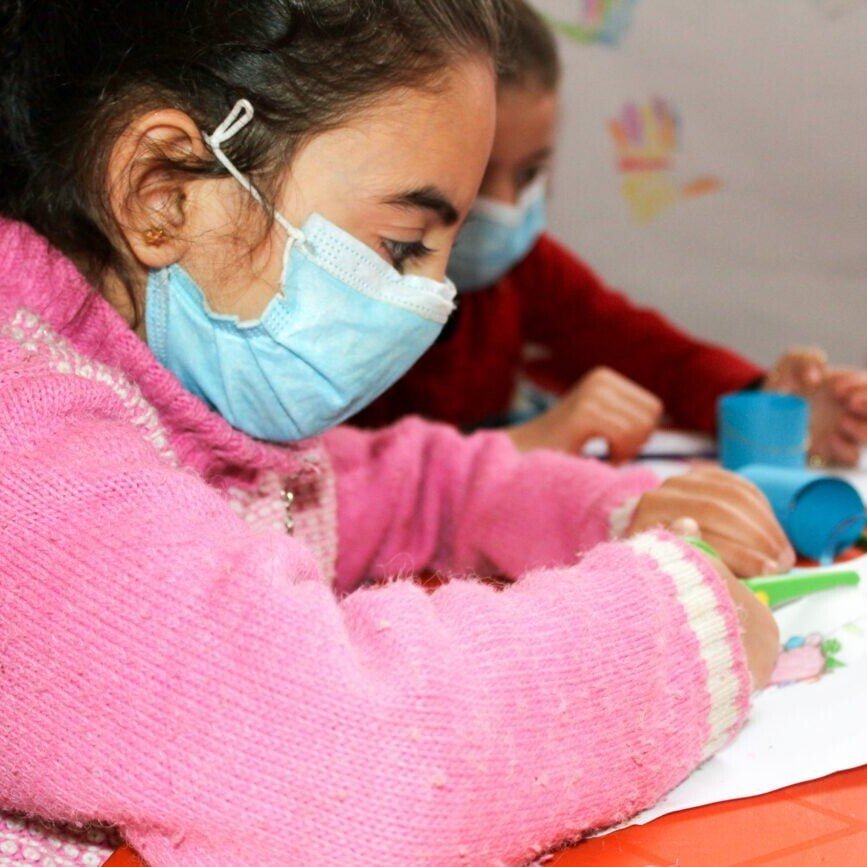
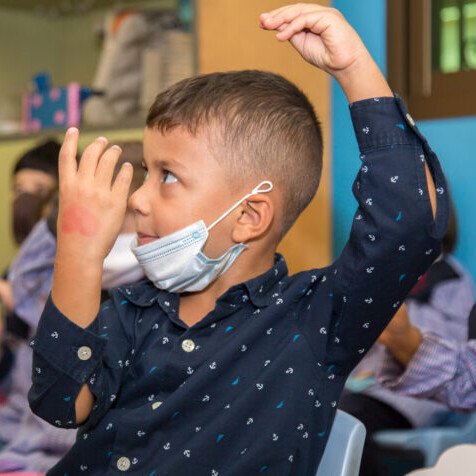
To ensure child protection by implementing preventive and responsive measures against violence, exploitation, abuse, and neglect, and by establishing systems that safeguard children’s well-being.
Intervention Locations
From the informal gatherings of South Lebanon and Beirut to emergency shelters in Saida, our work is anchored in the communities where vulnerability is highest and institutional support is most absent.
Who We Are Working With
We work where children live, learn, and gather in kindergartens, community centers, and emergency shelters, because every child deserves a present that is safe and a future that is hopeful.
01
Palestinian refugee children in Lebanon (PRL)
They are living in unofficial gatherings and camps, denied basic rights and facing deep poverty.
02
Palestinian refugee children from Syria (PRS)
They have fled conflict twice, living in extreme vulnerability with uncertain futures.
03
Syrian refugee children
Living in protracted displacement, with limited access to education, healthcare, and stability.
04
Vulnerable Lebanese children
Living in host communities hit hardest by the economic collapse, often sharing the same underserved neighborhoods and informal settlements.
05
Internally Displaced Lebanese children
They were forced from their homes in the south due to bombardment and fear.
06
Children at specific risk
They are out of school, in child labor, survivors of violence or neglect, children with disabilities, and those in female-headed households struggling in finding living.
Child Protection
Program Numbers (2024)
406
Children
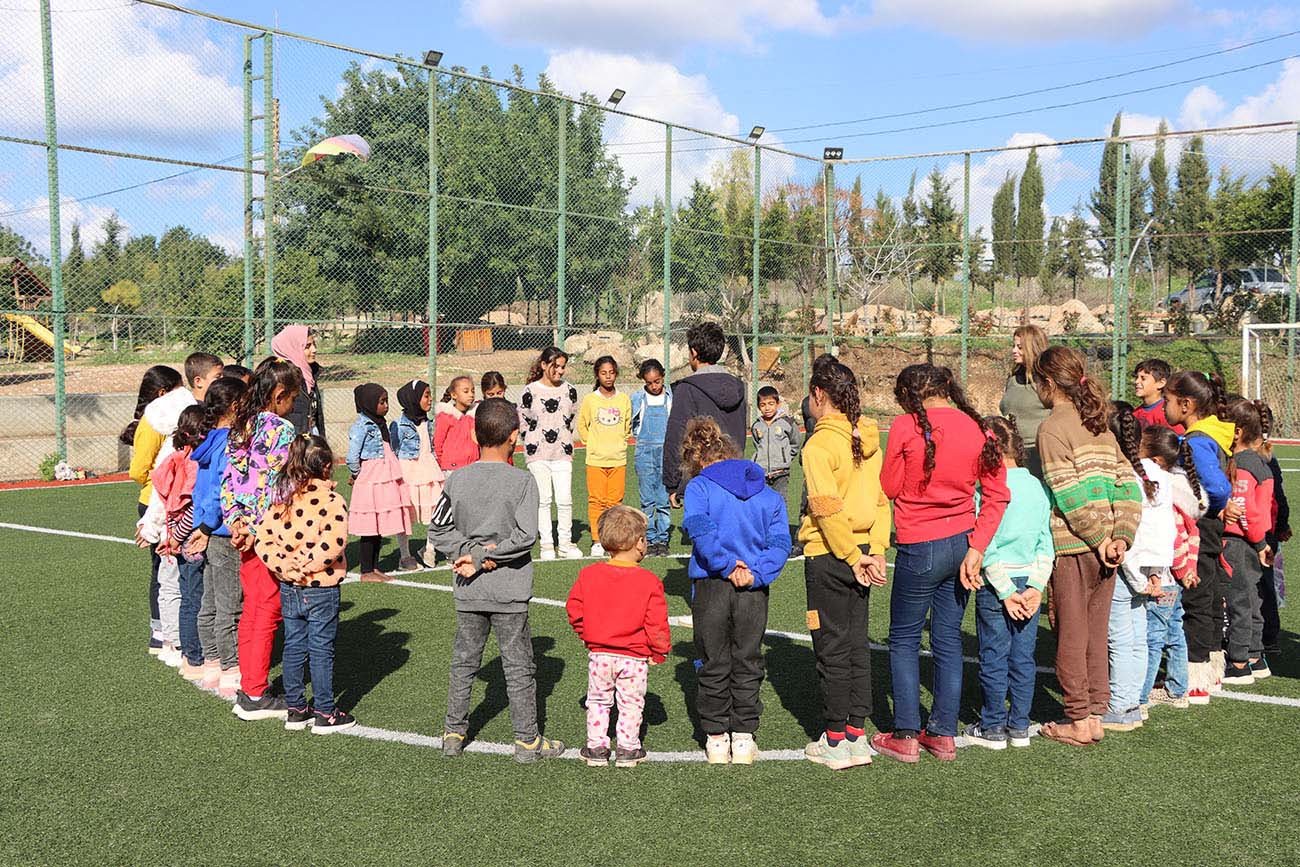
Learned and played in our three certified kindergartens in Tyre, Wadi El Zeineh, and Beirut.
218
Children
Joined our regular psychosocial support (PSS) activities across five community centers.
110
Displaced Children
Were supported in our emergency school shelter in Saida during the war.
1,000
Children
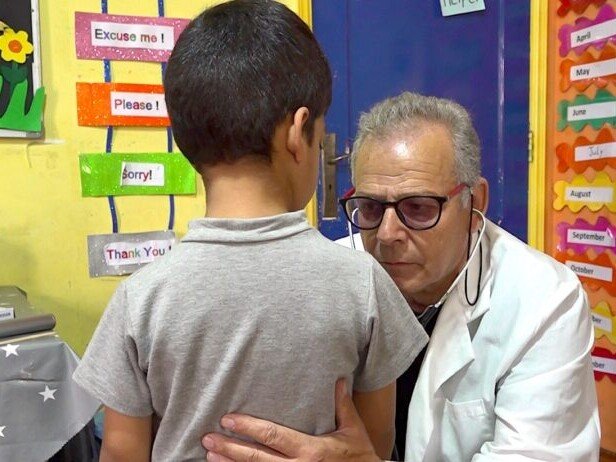
Saw a pediatrician through our mobile health clinic visiting ten gatherings.
1,000
Winter kits
(jacket, blanket, boots) were distributed to children aged 4-12 in southern gatherings.
16
Young Women
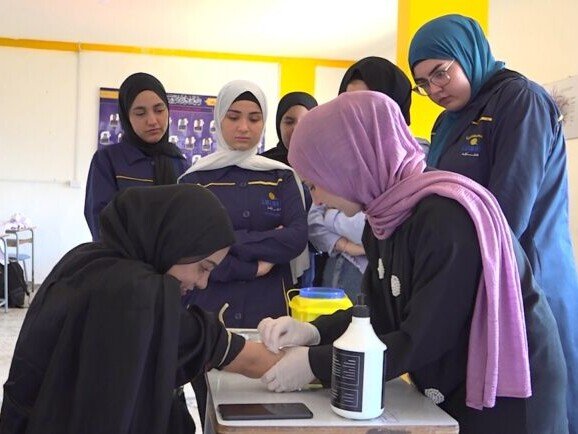
Are studying nursing right now on full scholarships we provided.
Child Protection
Activities
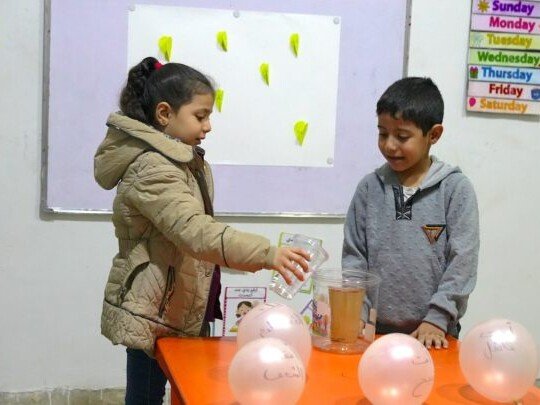
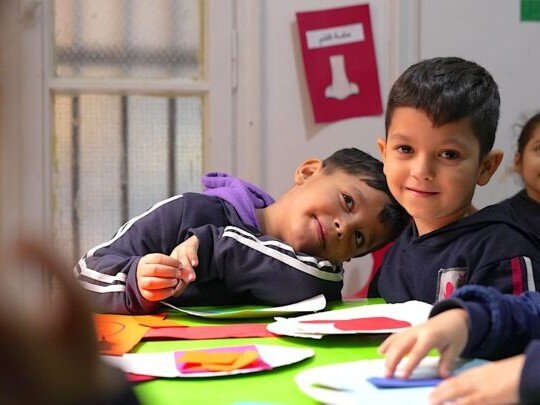
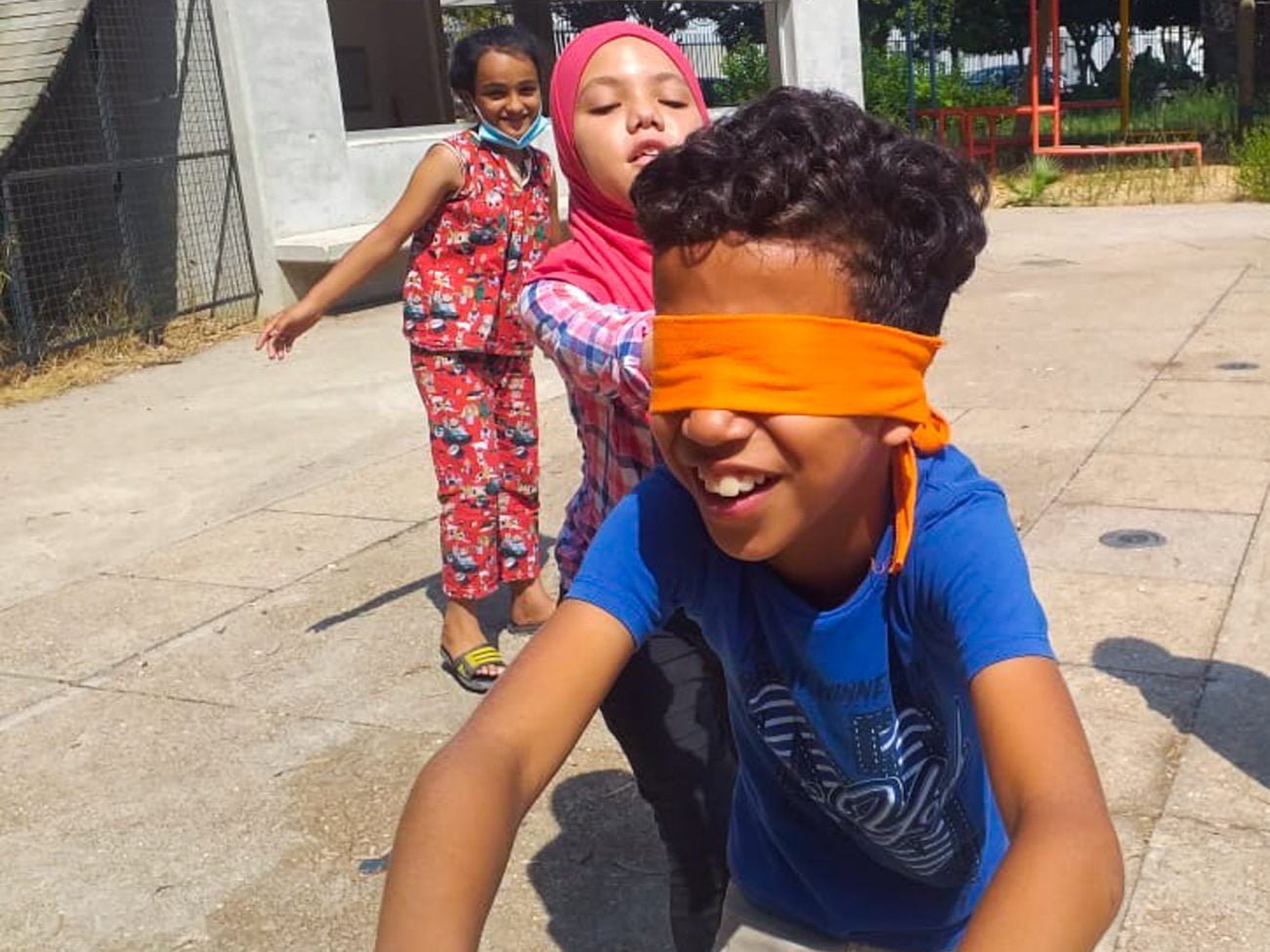
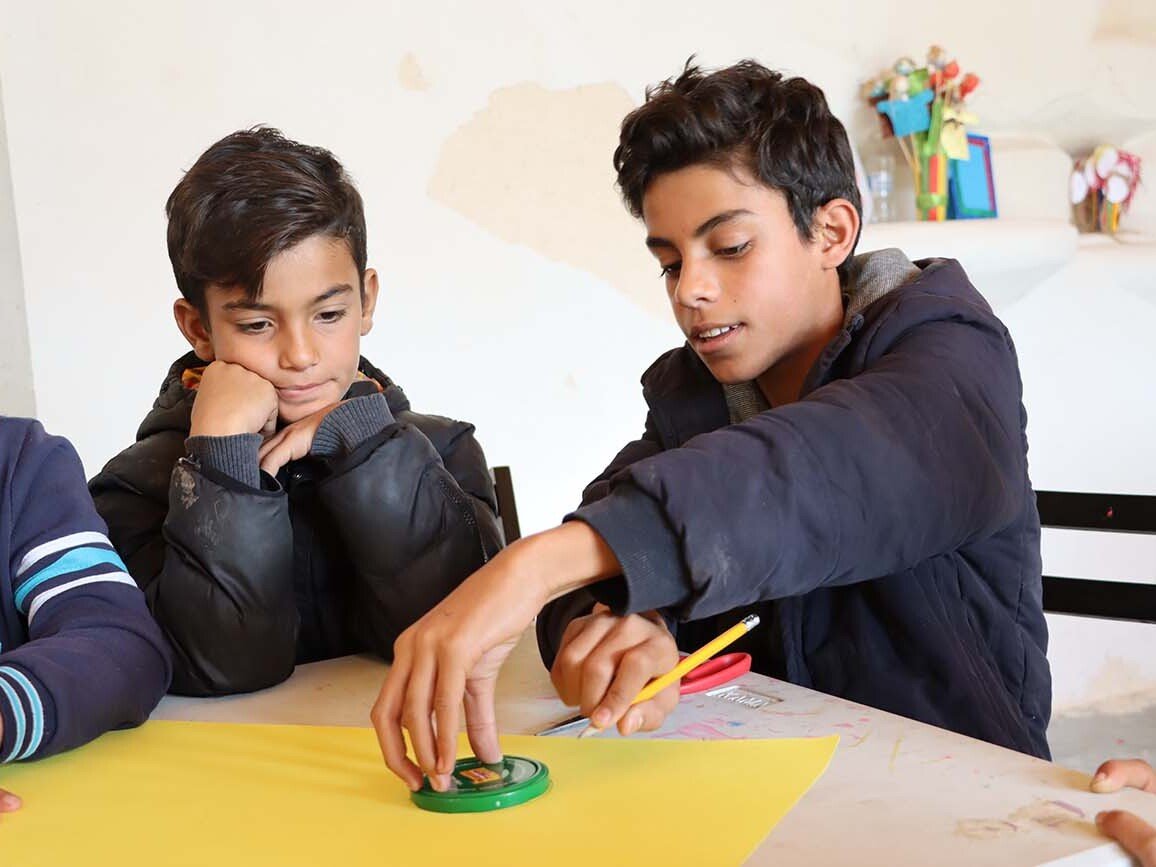
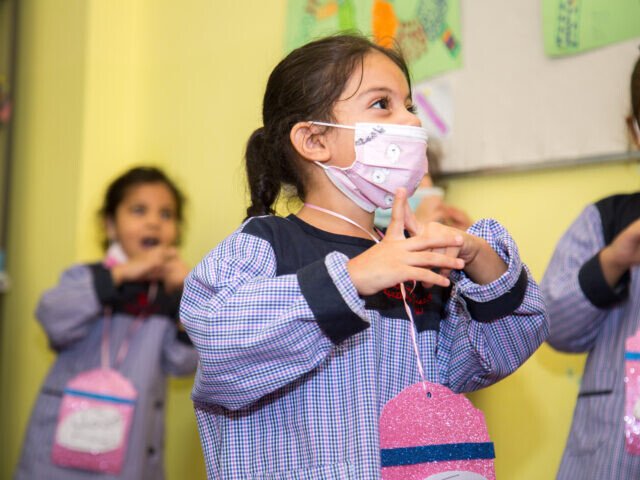
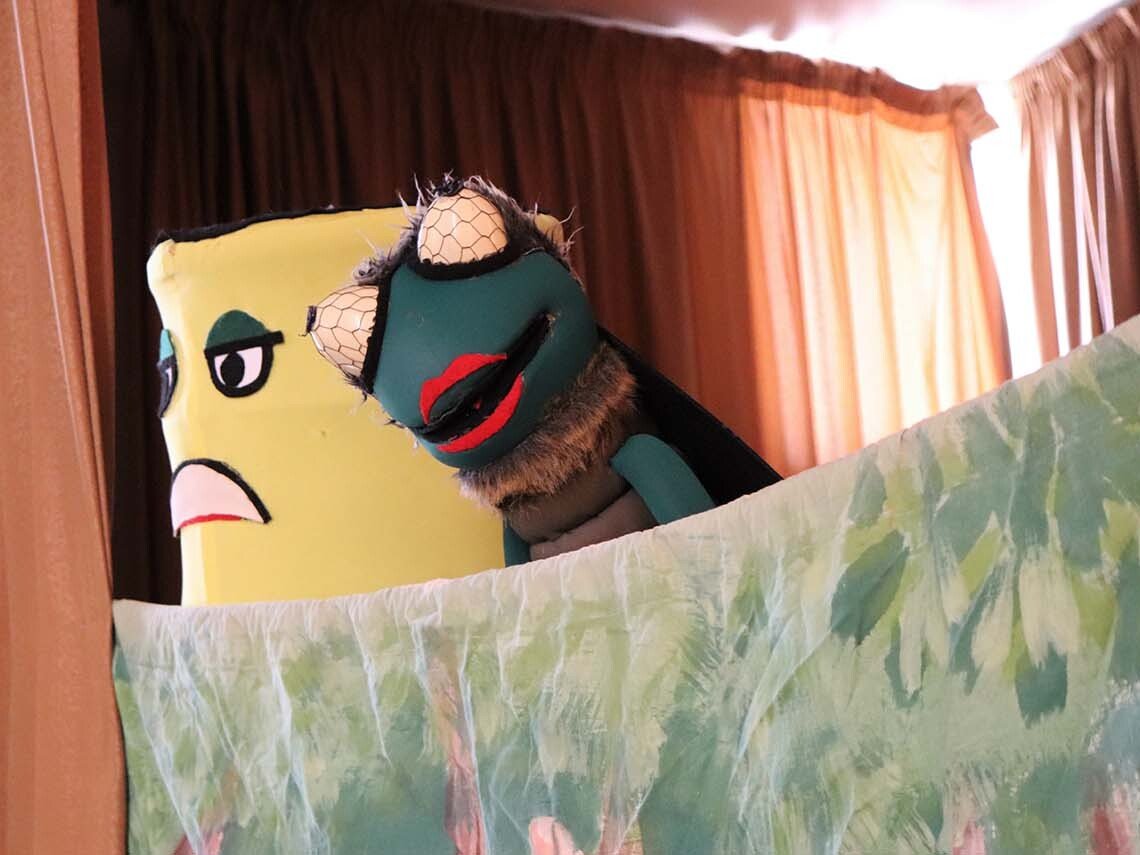
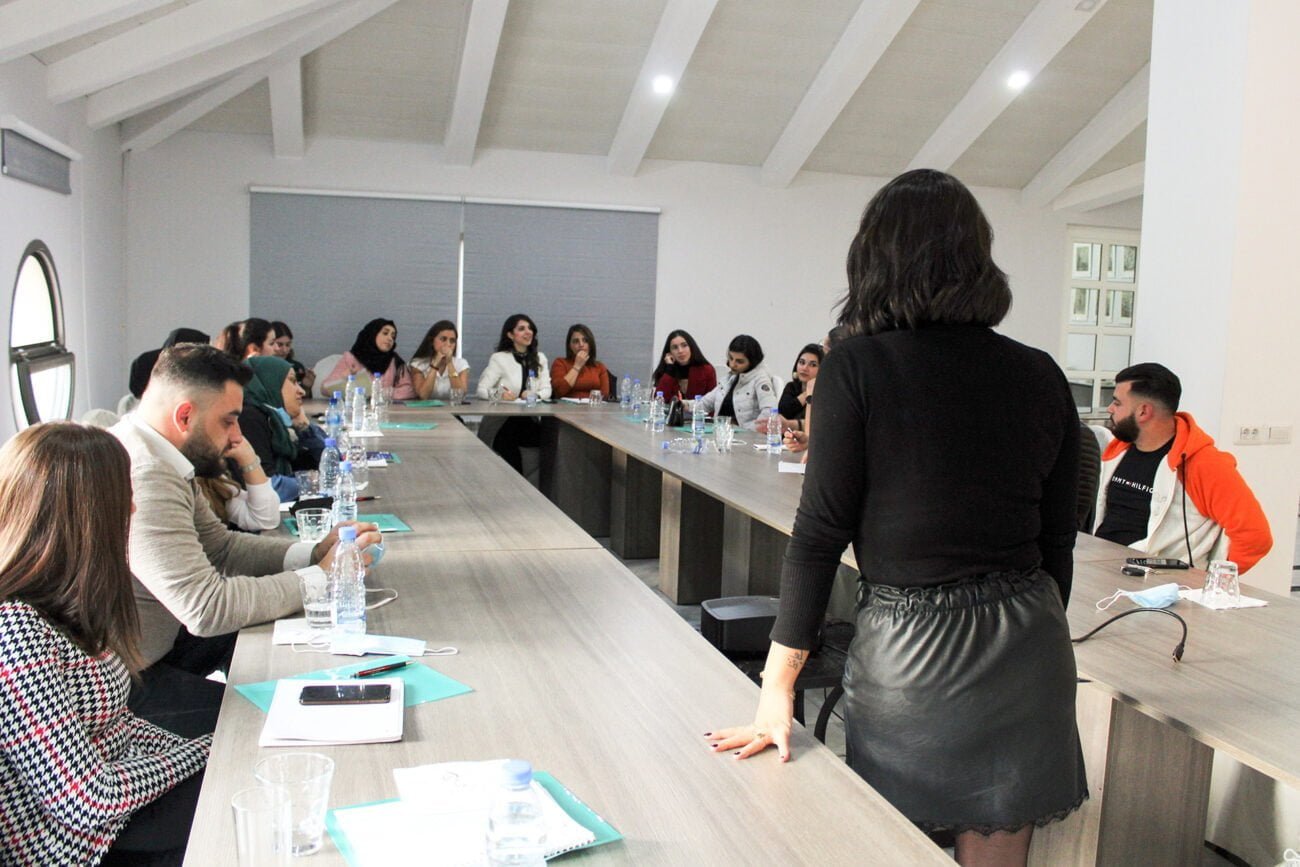
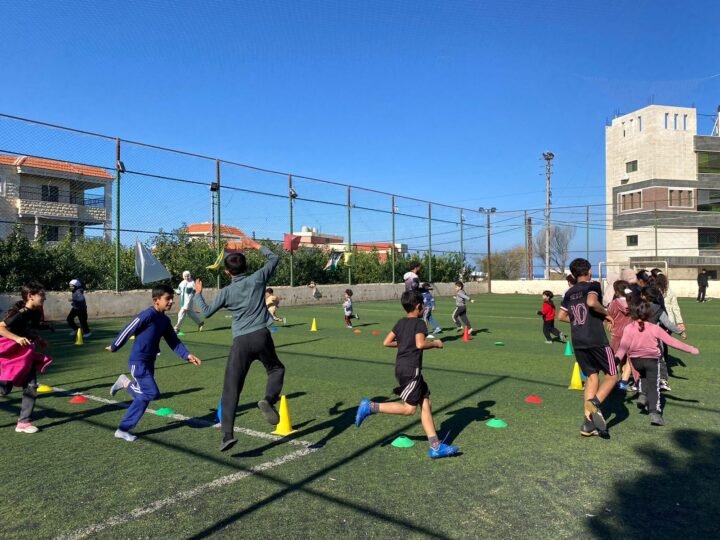
We work hand-in-hand with vulnerable communities to make rights real, safety stronger, and voices louder.

Organizational Development
Organizational Development
Strategy Five
Organizational Development for PARD
Objective
To increase PARD’s organizational effectiveness, performance, and service quality.
Intervention Locations
From the informal gatherings of South Lebanon and Beirut to emergency shelters in Saida, our work is anchored in the communities where vulnerability is highest and institutional support is most absent.
Who We Are Working With
Our work targets families and communities living without basic infrastructure, where environmental risks are a daily threat to health.
01
PARD team, volunteers, and community workers
Across all programs, from health clinics and kindergartens to relief teams and women’s committees.
02
Program coordinators and field officers
Who manage projects in the gatherings and need skills in planning, monitoring, and emergency response.
03
Social workers, psychologists, and teachers
Who carry emotional weight and need support to care for themselves while caring for others.
04
Administrative and support teams
Who ensure our operations run smoothly, even during crisis.
05
Local partner organizations and NGO network members
Who train with us and coordinate through platforms in Saida and the South.
Organizational Development for PARD
Program Numbers (2024)
28
Female volunteers
Trained in SPHERE humanitarian standards for emergency response.
25
Team members
From across programs participated in specialized self-care and well-being training.
10+
Workshops
Delivered in Psychological First Aid, GBV response, and project planning.
3
Major projects
Underwent external evaluation and financial audit.
2
Needs identification processes
Conducted with women in Tyre and Saida to shape future work.
4
Specialized studies
Were commissioned on topics including women's civic engagement and pediatric health access in gatherings.
Organizational Development for PARD
Activities
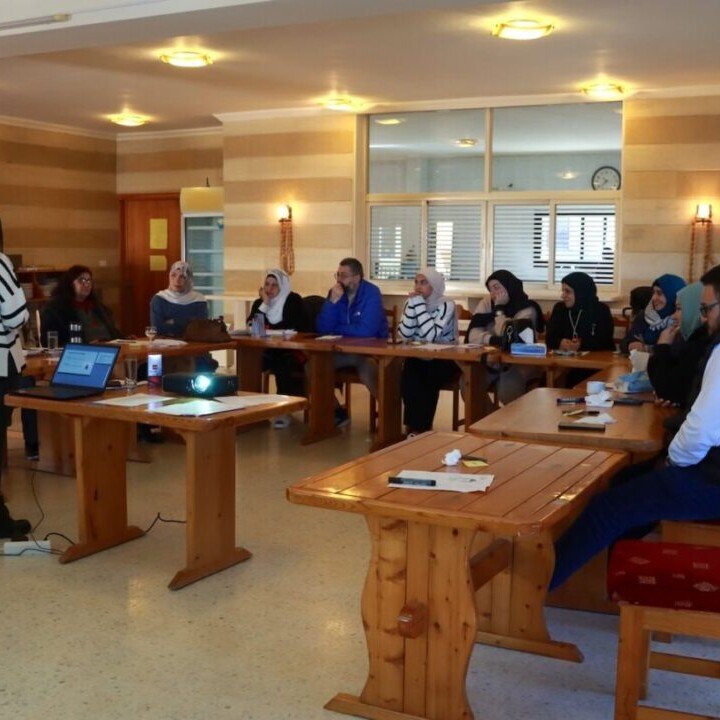
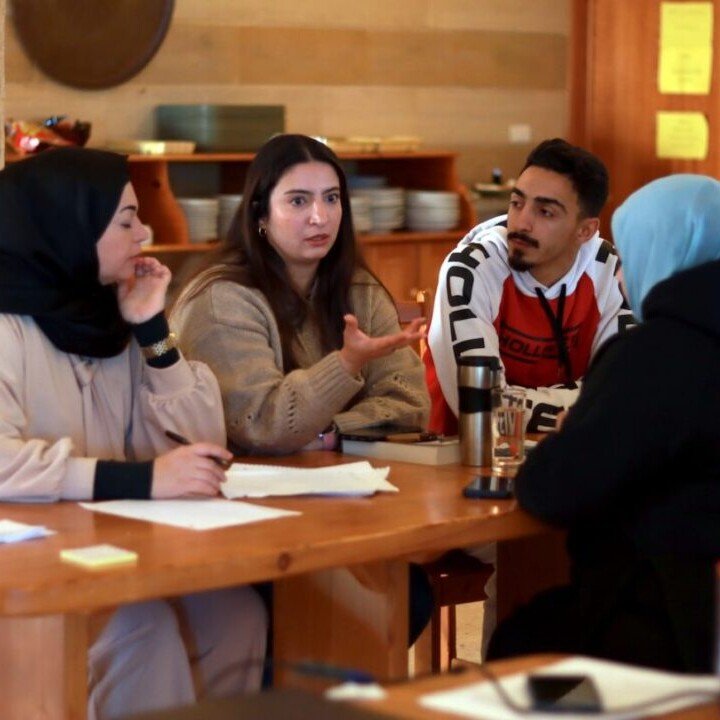
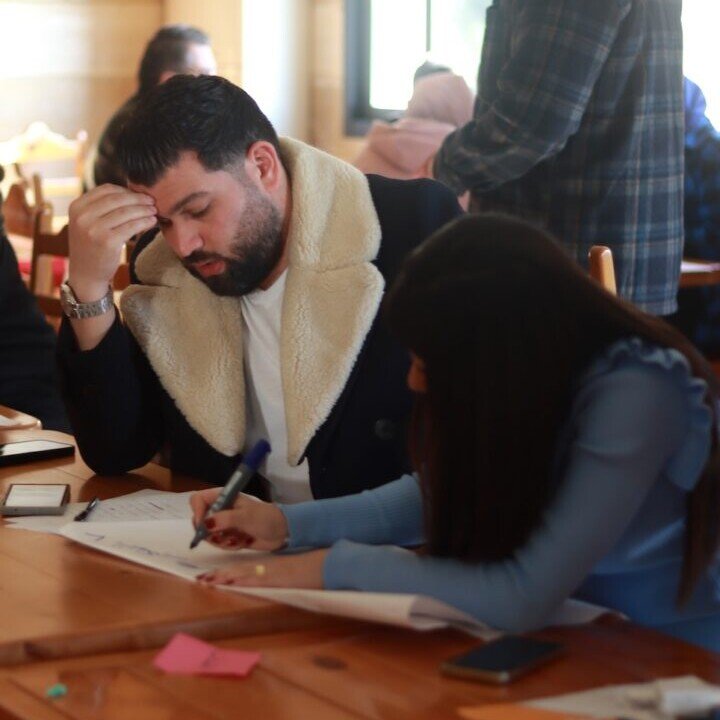
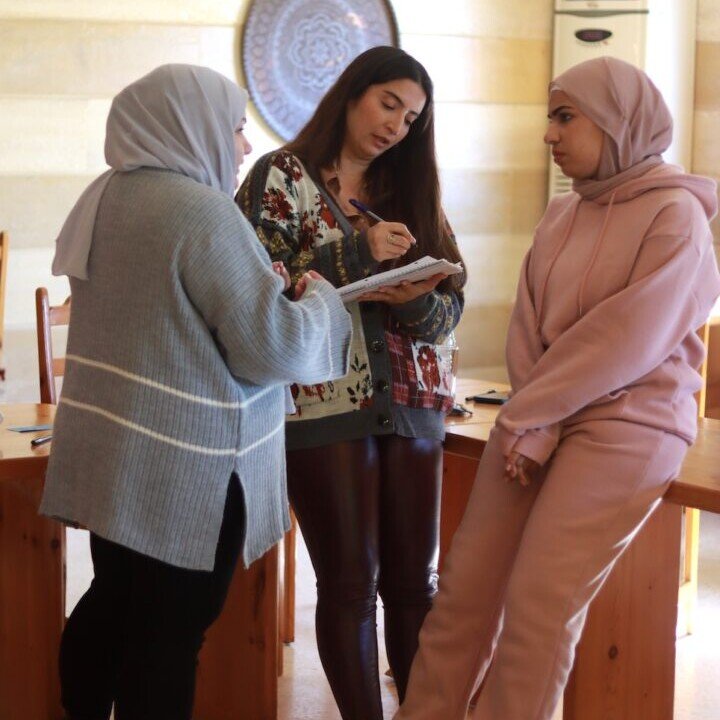
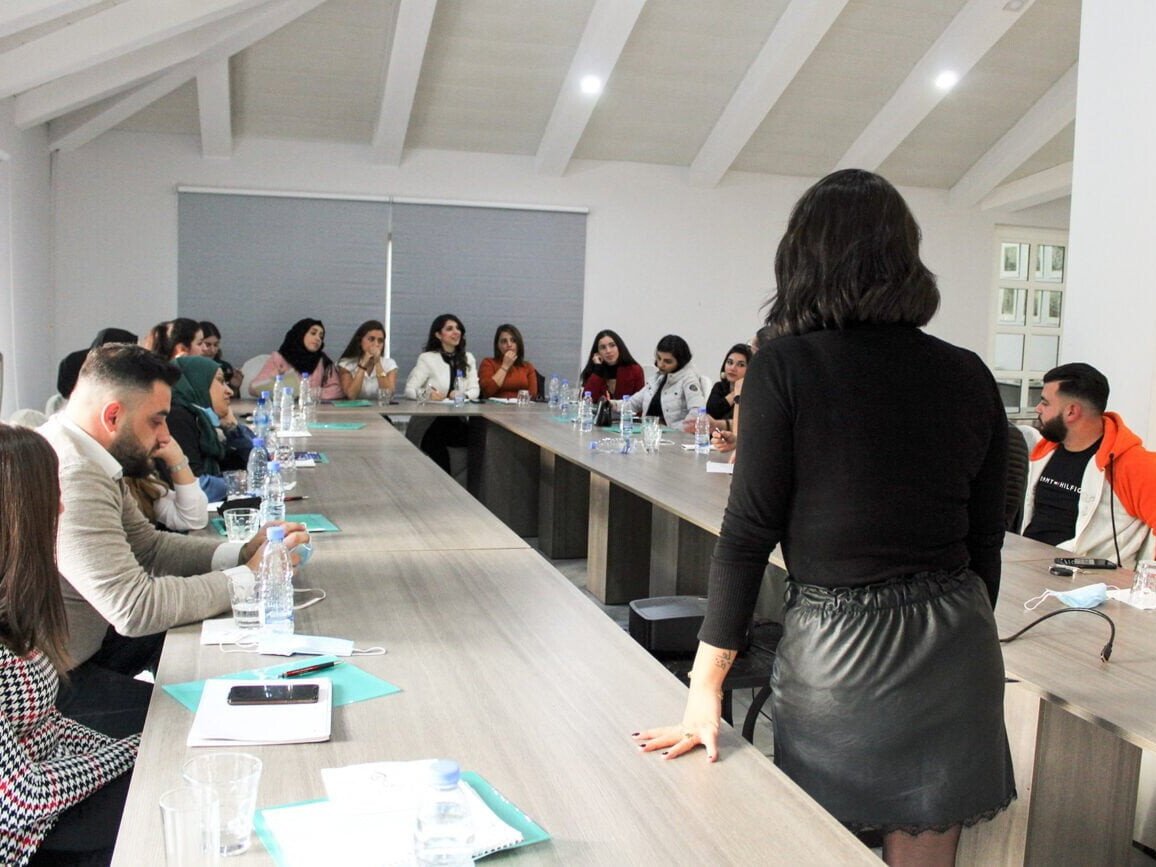
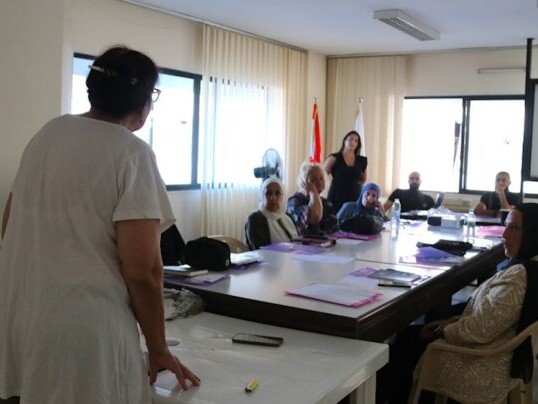
How we train, support, and strengthen our team to serve communities better.

Relief for People in Distress
Relief
Strategy Four
Relief for People in Distress
Objective
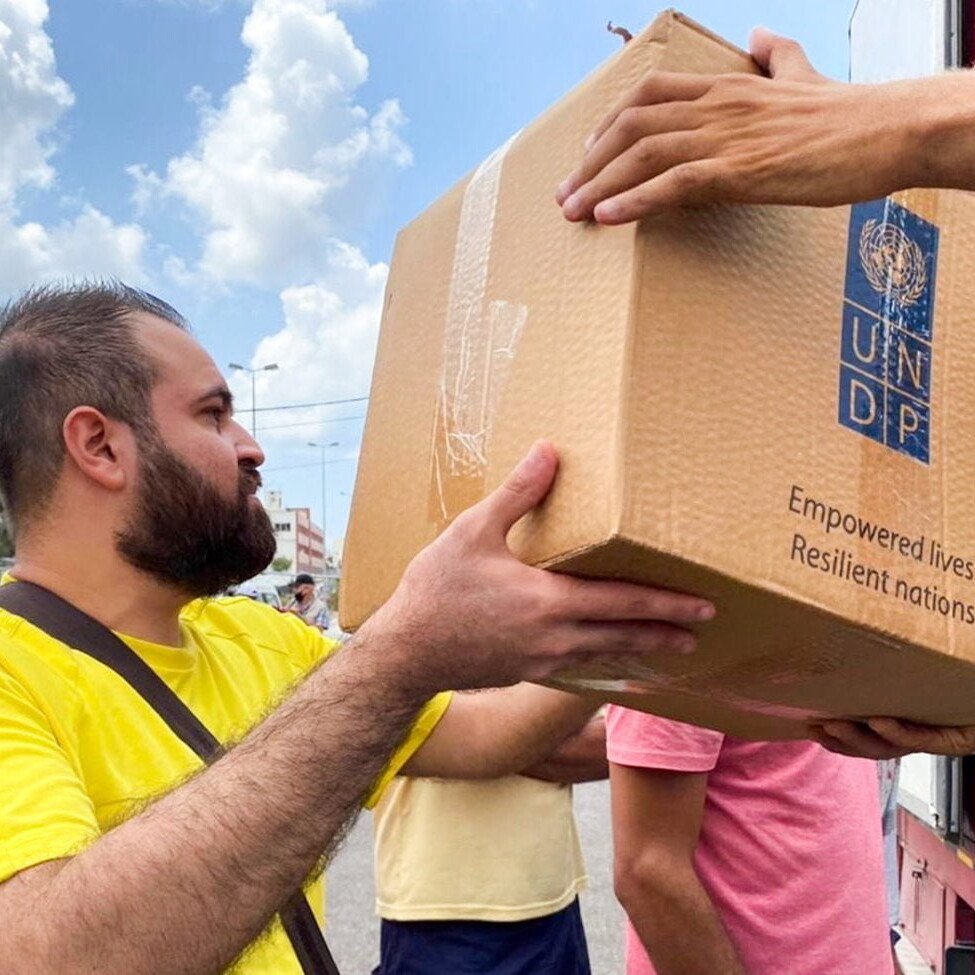
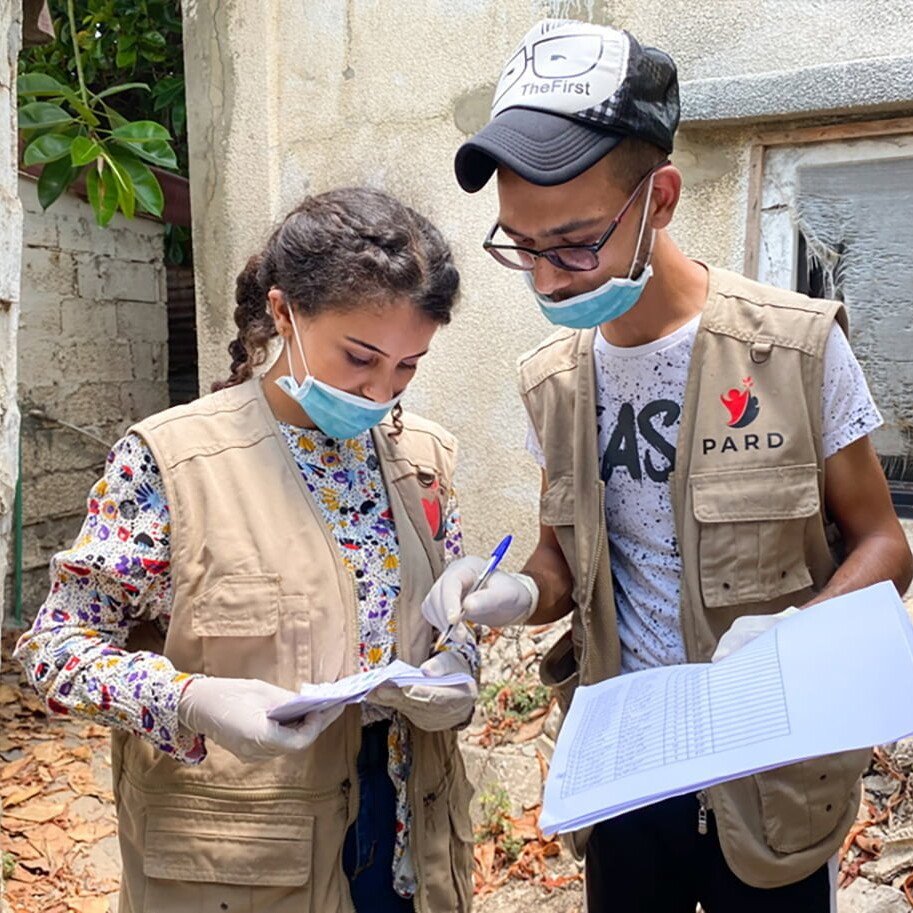
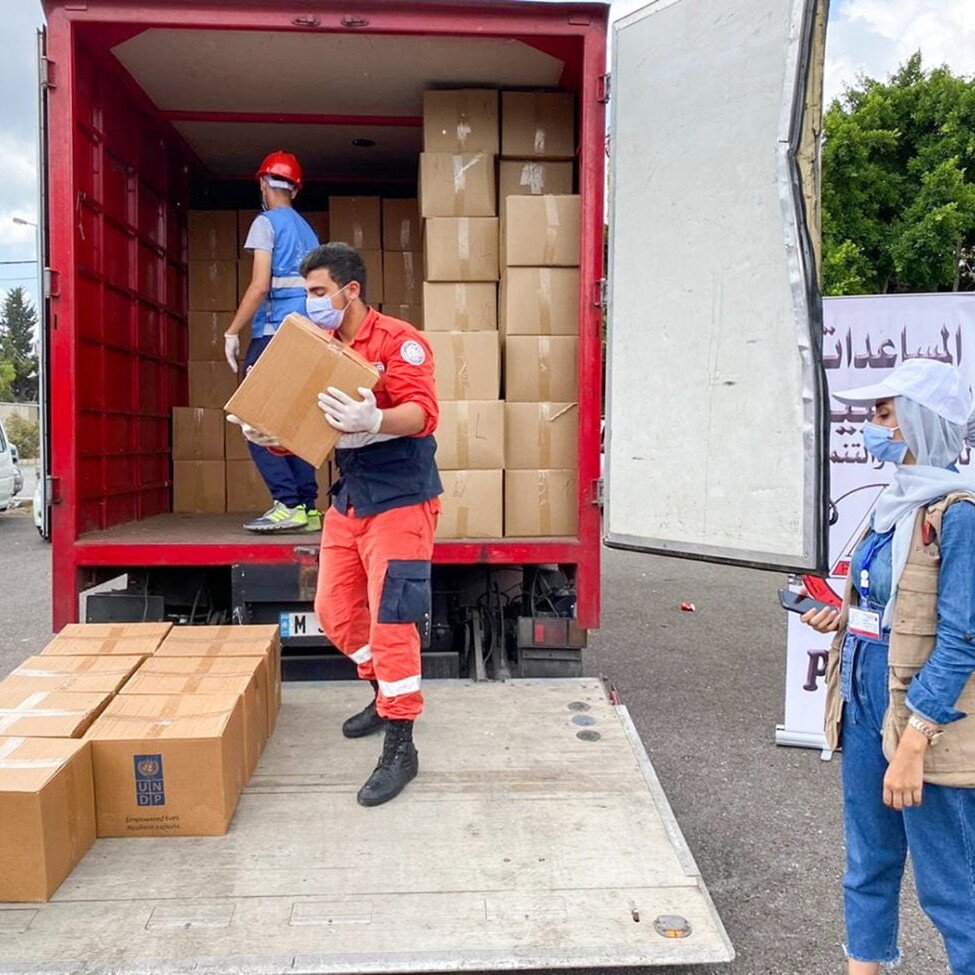
To ensure that populations affected by disasters have the right to live with dignity while alleviating their suffering.
Intervention Locations
From the informal gatherings of South Lebanon and Beirut to emergency shelters in Saida, our work is anchored in the communities where vulnerability is highest and institutional support is most absent.
Who We Are Working with
We support the most vulnerable beneficiaries when disaster strikes، those who nowhere else to go.
01
Internally Displaced Persons (IDPs)
From South Lebanon forced to flee their villages due to Israeli bombardment and displacement orders.
02
Palestinian refugee families in Lebanon (PRL)
Living in gatherings already facing poverty, who are further impacted by wider crises.
03
Syrian refugees in Lebanon
Who face renewed vulnerability during new waves of conflict and economic shock.
04
Vulnerable Lebanese families
from border villages who have lost homes, livelihoods, and safety.
05
Specifically
Female-headed households, families with children under five, elderly individuals living alone, pregnant and lactating women, people with chronic illnesses or disabilities, and those who have lost their income overnight.
Relief for People in Distress
Program Numbers (2024)
90
Families
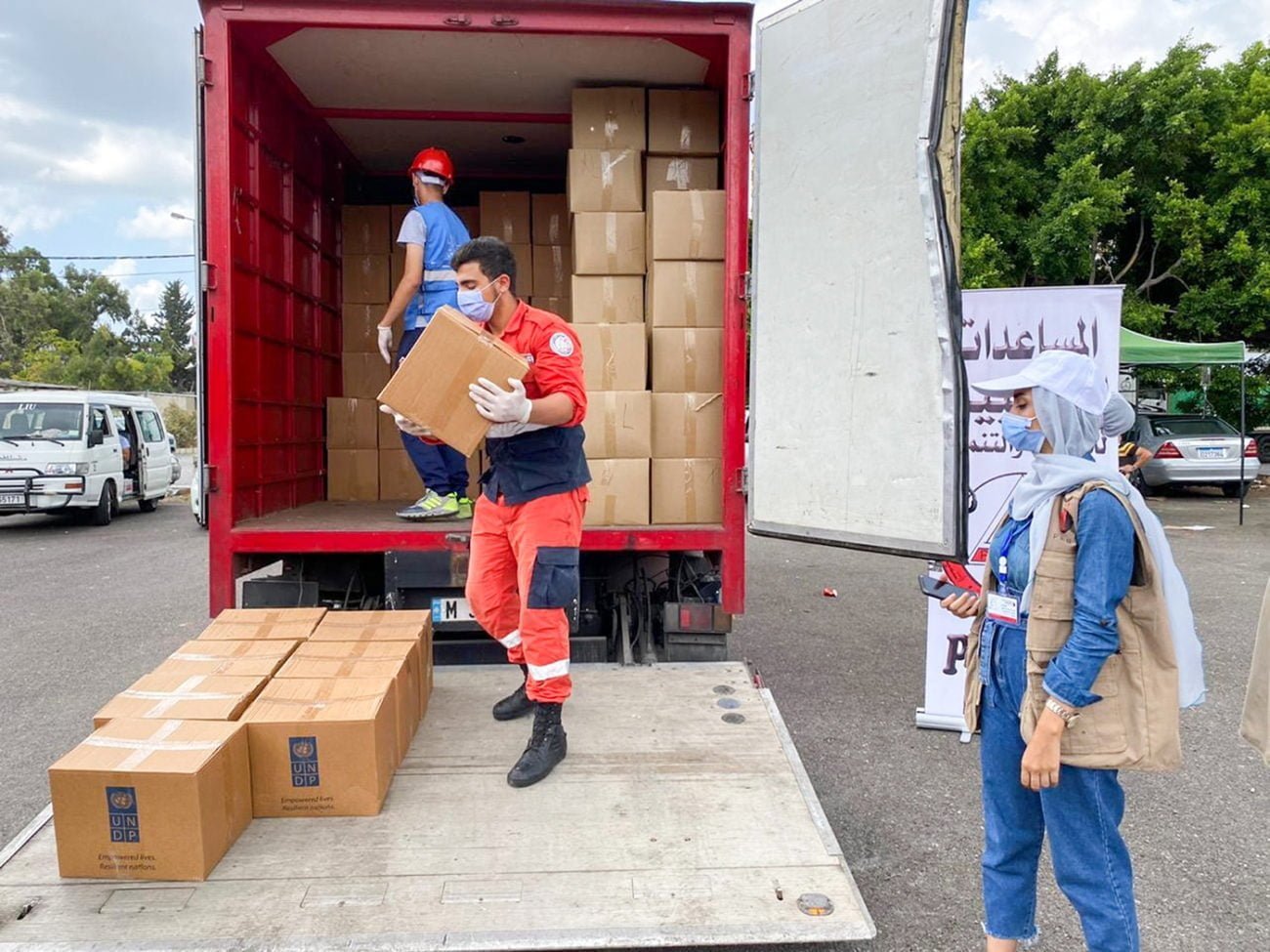
(about 400 individuals) were sheltered, fed, and supported in Angelic Saliba Public School in Saida from September to November.
26.6K
Hot Meals
Were provided to displaced families over three meals a day.
720
Hygiene Kits
Were distributed to families in the shelter.
567
Medical Consultations
Were provided in the shelter through partner clinics.
90
Kitchen Kits
Were distributed to families in the shelter.
1,000
Winter Kits
(jacket, blanket, boots) were given to children in southern gatherings.
1,000
Food Parcels
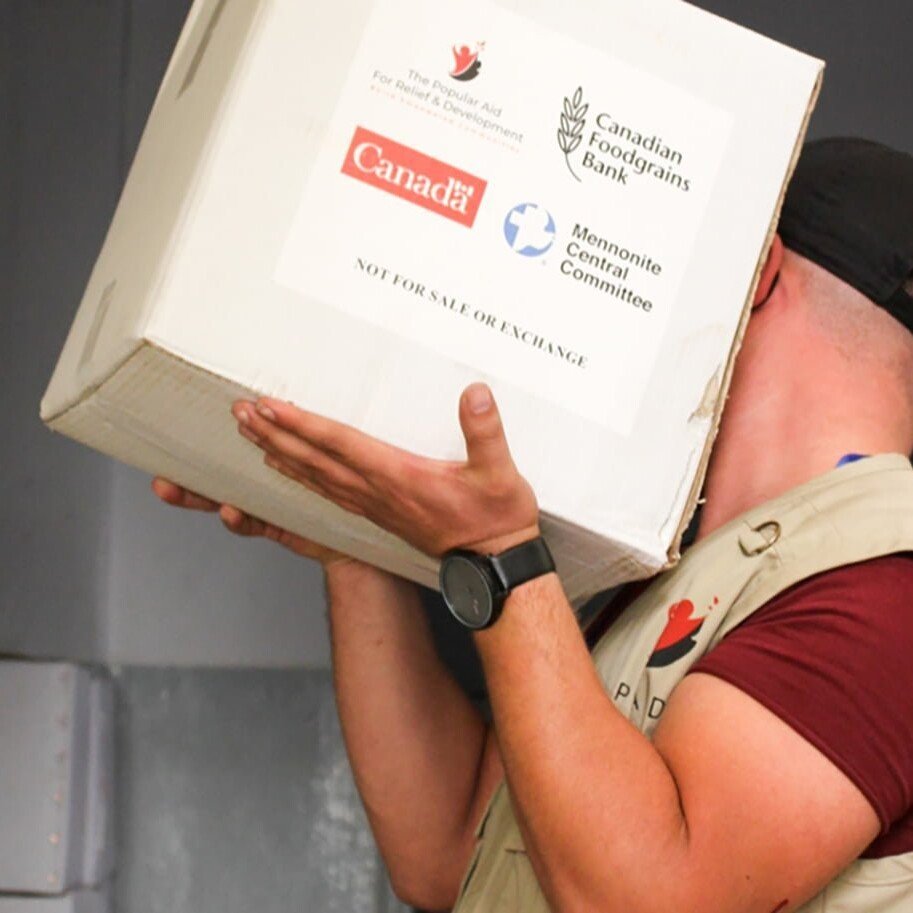
Were distributed to vulnerable families across South Lebanon gatherings.
117
Women
Received dignity kits and 142 babies received diapers and milk in the shelter.
Relief for People in Distress
Activities
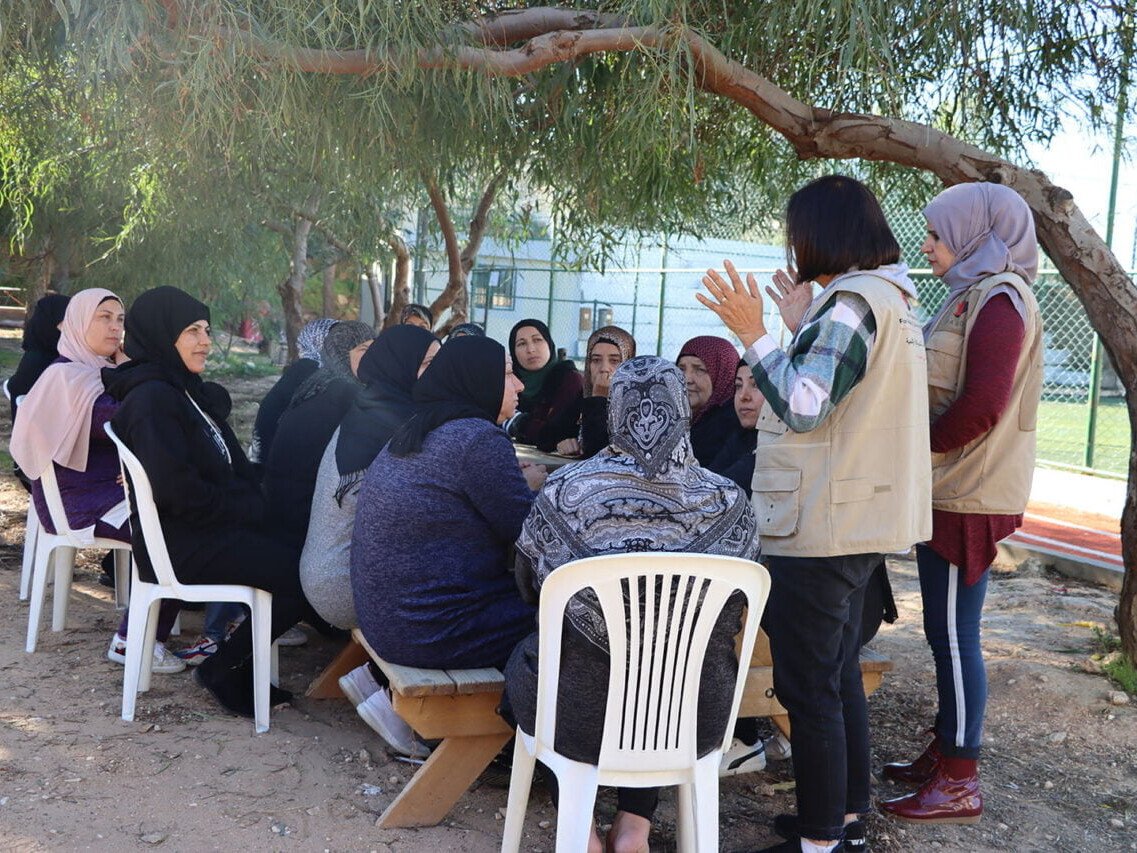
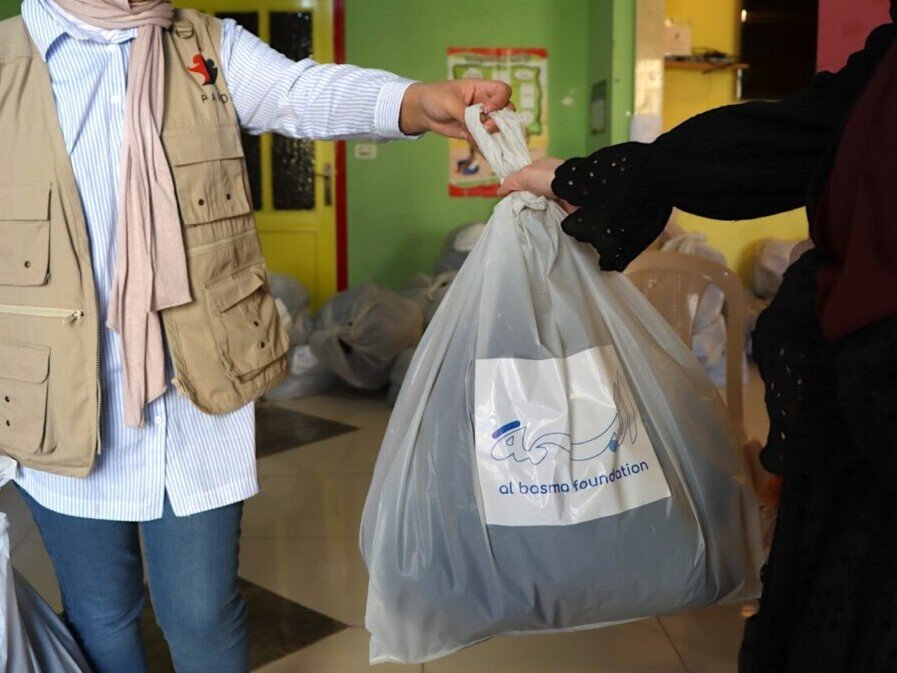
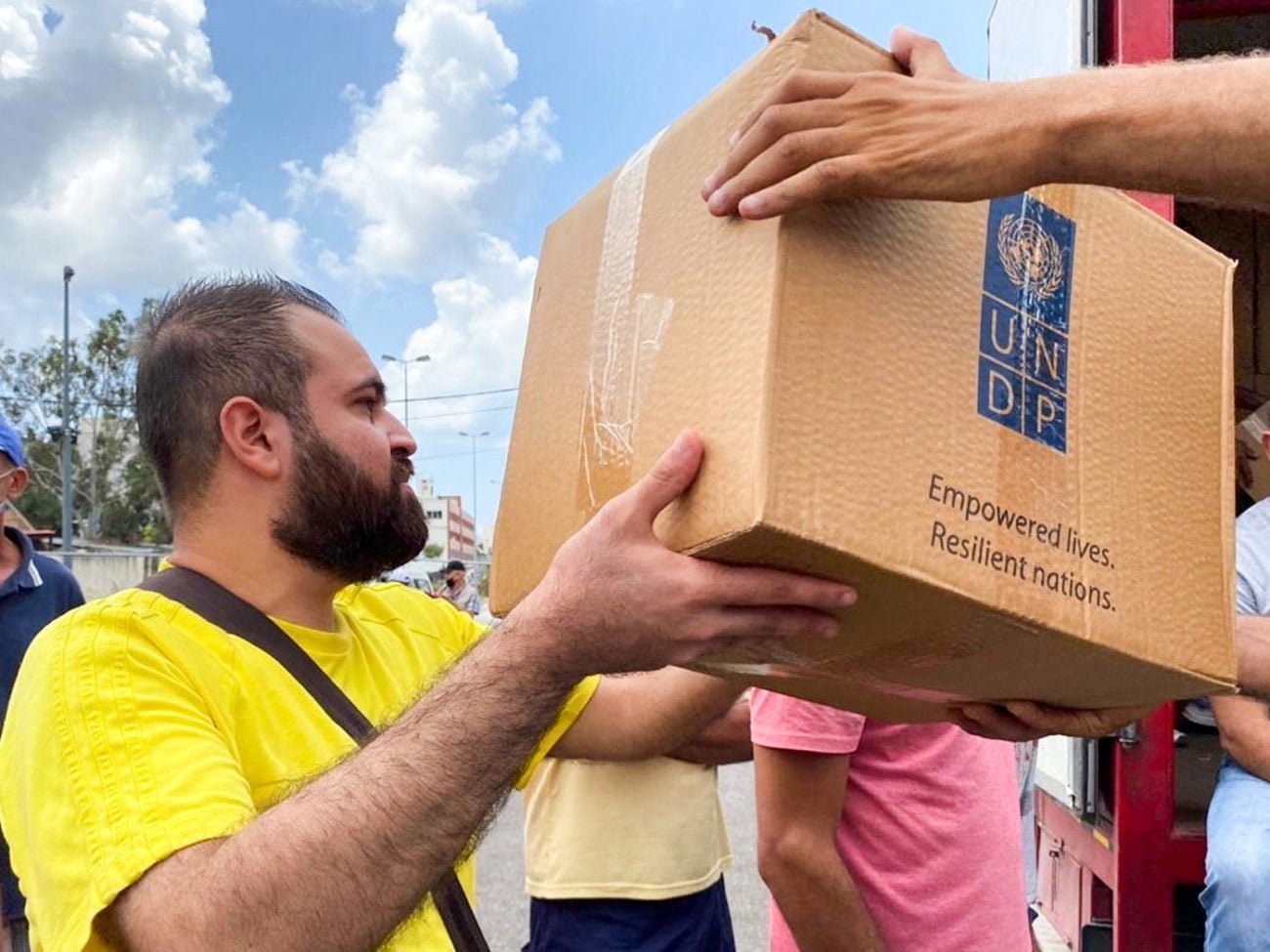
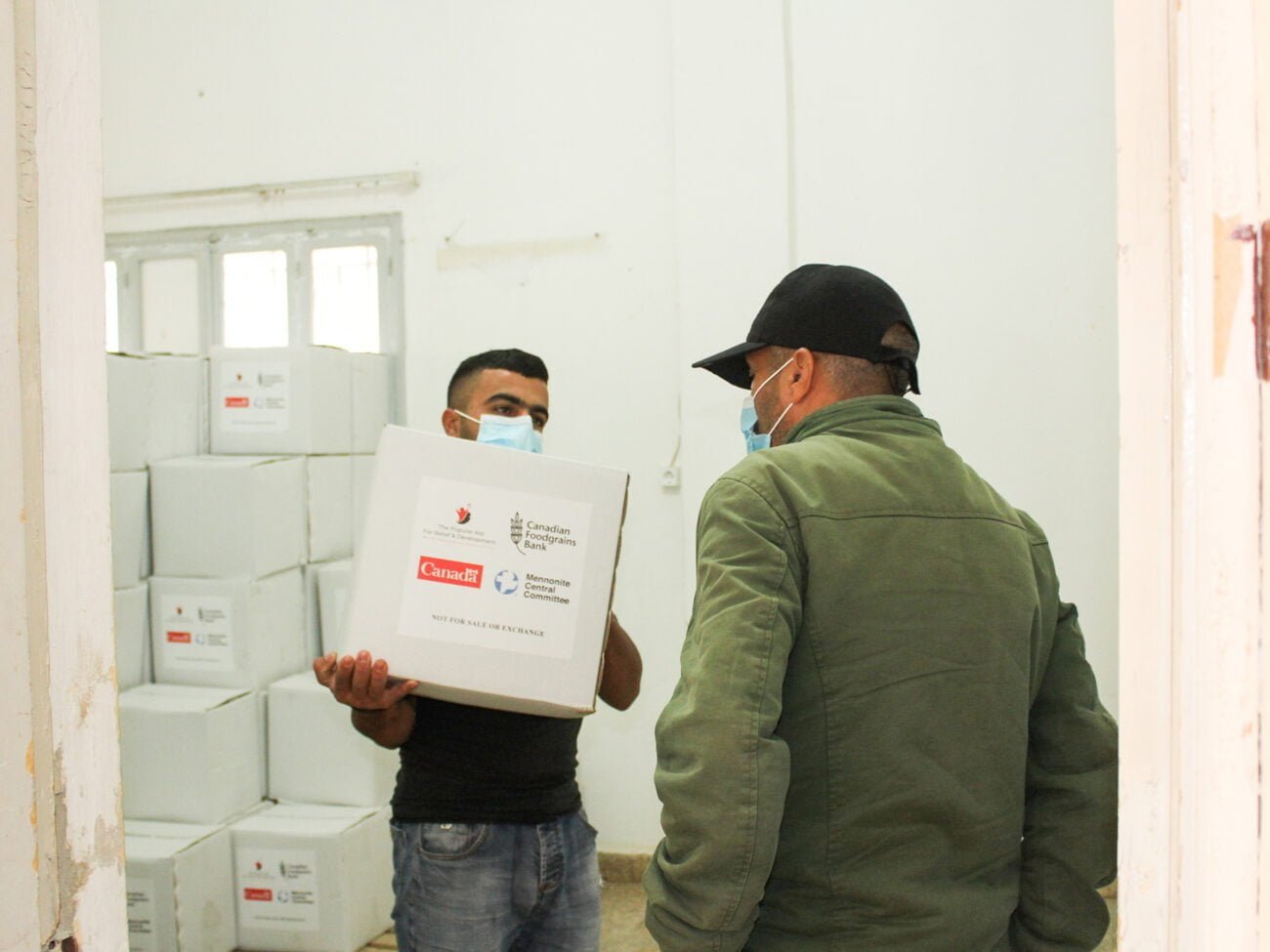
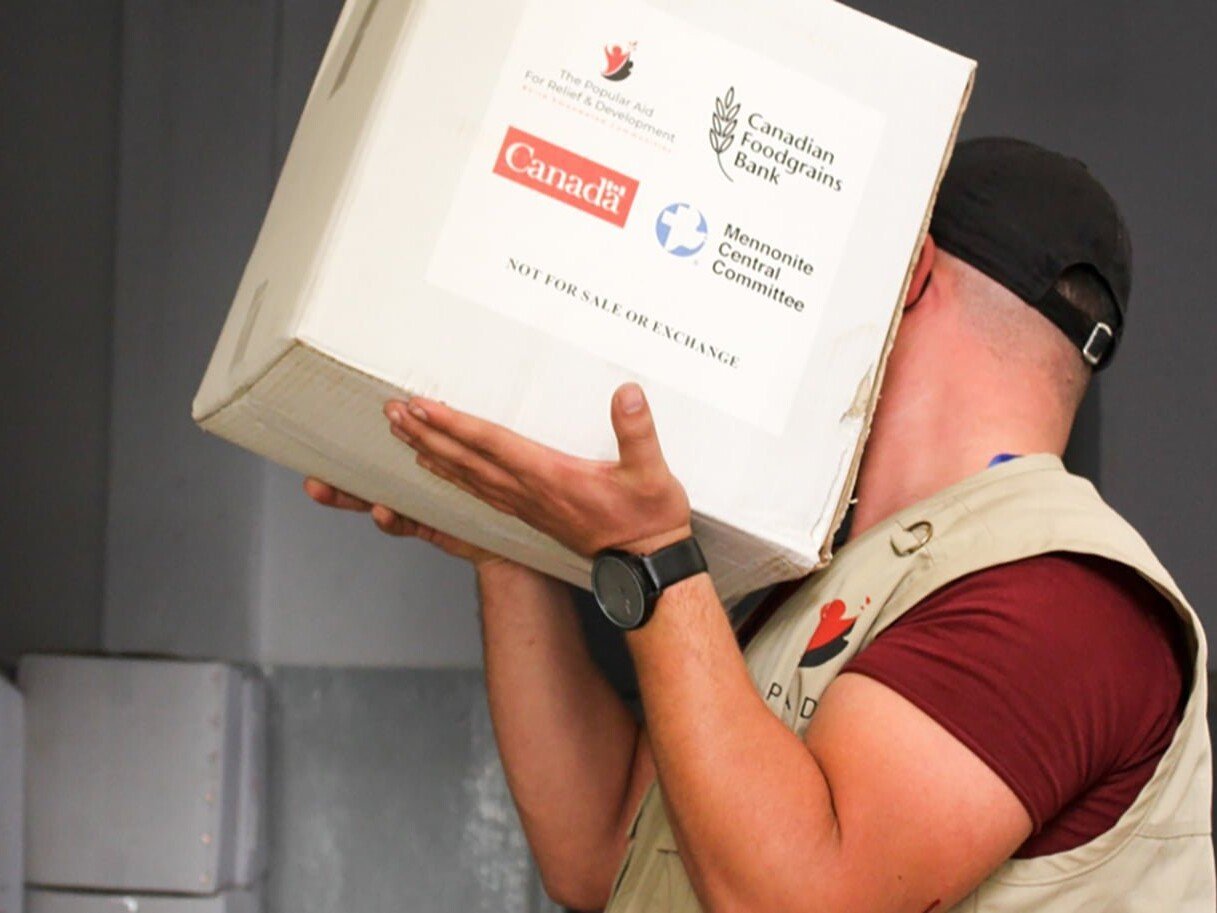
Our direct aid, from food and cash to hygiene kits and blankets, meets basic needs with dignity in times of crisis.


Environmental Health Services
Environmental Health Services
Strategy Three
Environmental Health Services
Objective
To ensure that the targeted groups have the right to access environmental health services
Intervention Locations
From the informal gatherings of South Lebanon and Beirut to emergency shelters in Saida, our work is anchored in the communities where vulnerability is highest and institutional support is most absent.
Who We Are Working With
Our work targets families and communities living without basic infrastructure, where environmental risks are a daily threat to health.
01
Palestinian refugees in Lebanon (PRL)
They are living in unofficial gatherings and informal settlements, especially in Tyre, Saida, and Beirut, where PARD operates.
02
Palestinian refugees from Syria (PRS)
Those who have settled in these same overcrowded gatherings face the same lack of services.
03
Syrian refugees
Those residing in or near the gatherings, sharing the difficulties of poor sanitation and environmental neglect.
04
Vulnerable Lebanese Families
Living in host communities adjacent to these areas is also impacted by the spread of waste and contamination.
05
Women and youth in these communities
We actively train and employ to lead cleaning campaigns and upcycling initiatives.
Environmental Health Services
Program Numbers (2024)
232
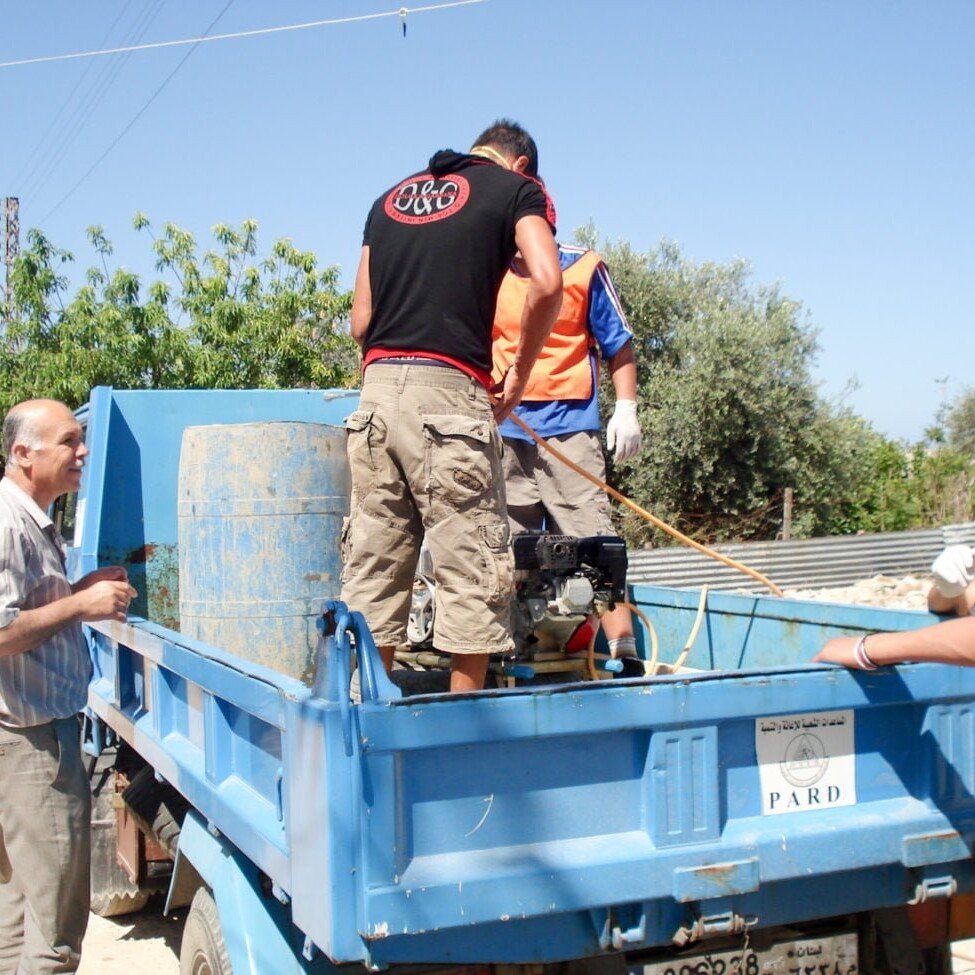
Septic tanks & cesspits
Were emptied across southern gatherings.
311
Transport trips
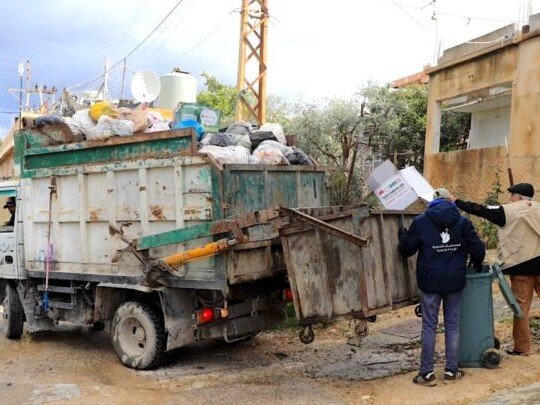
Were made with our dedicated suction truck to remove the waste.
20
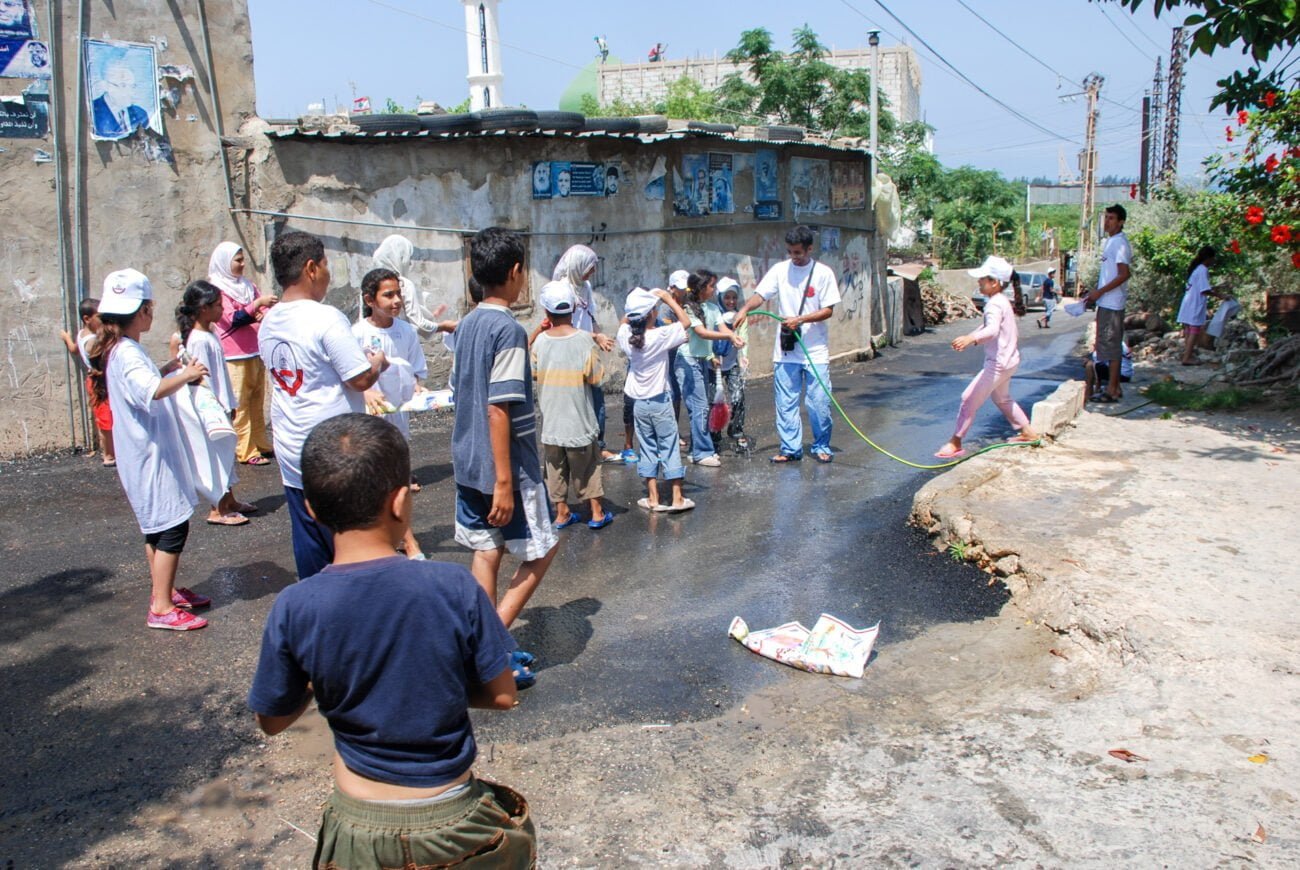
Cleaning campaigns
Were organized by the community in their own neighborhoods.
55
Women
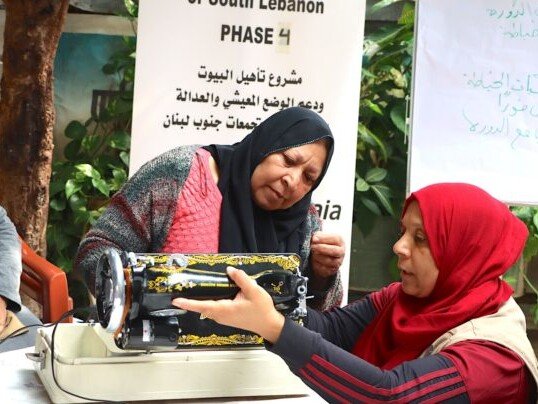
Trained in upcycling, turning old clothes into new products for their homes.
106
Women
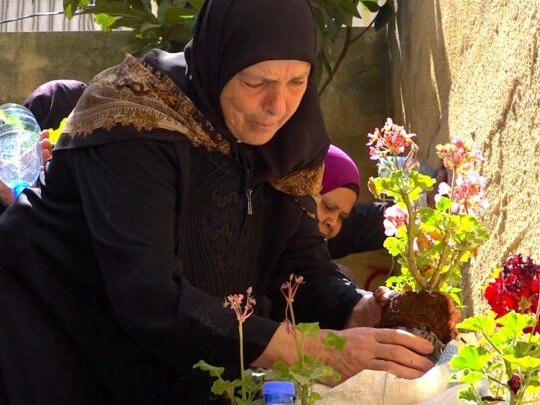
Attended our International Mother Earth Day event, learning about planting and waste reduction.
2
Garbage trucks
Operated to manage household solid waste in six southern gatherings.
Environmental Health Services
Activities
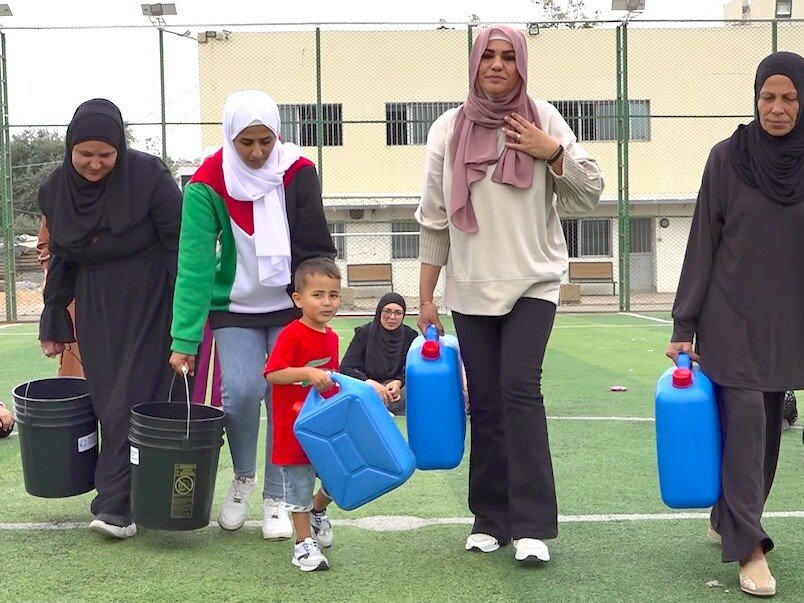
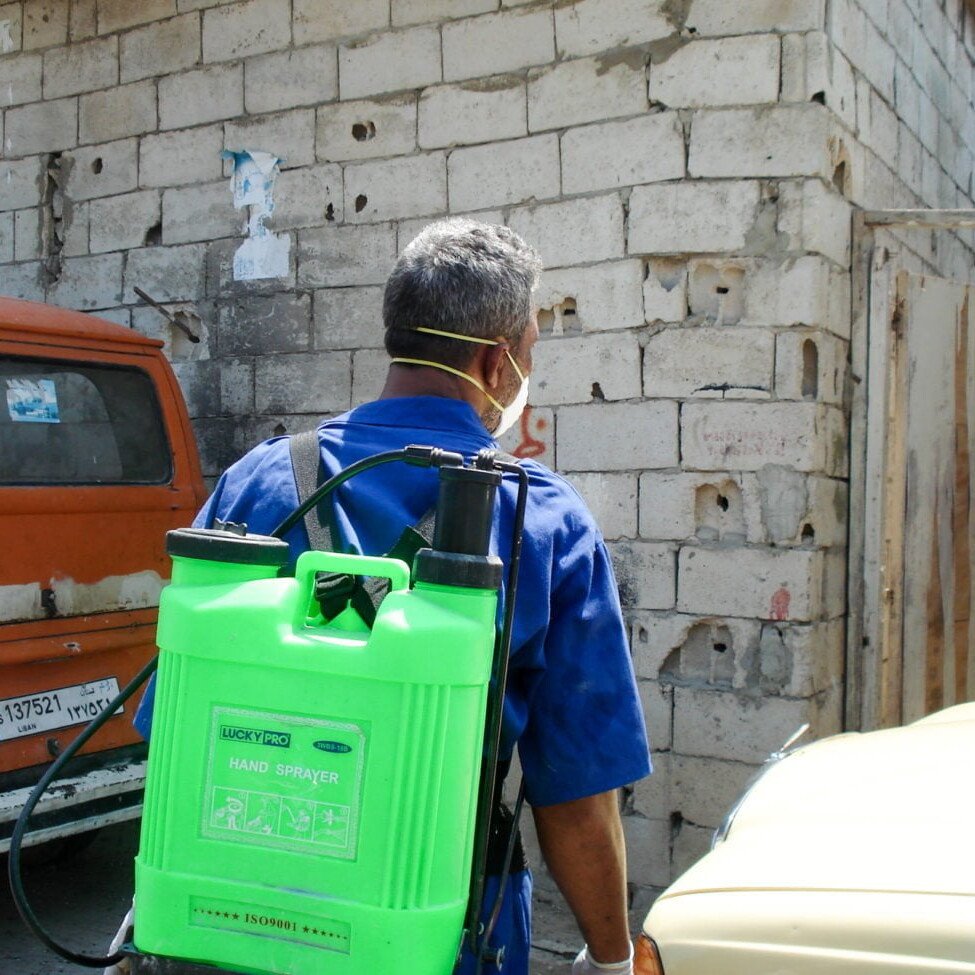
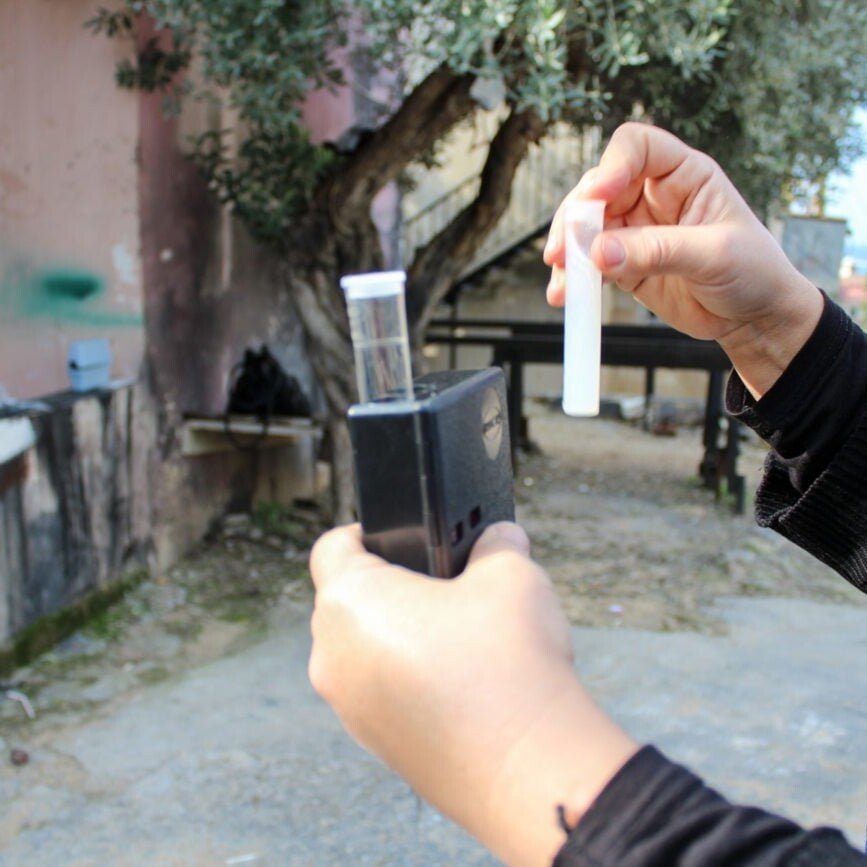
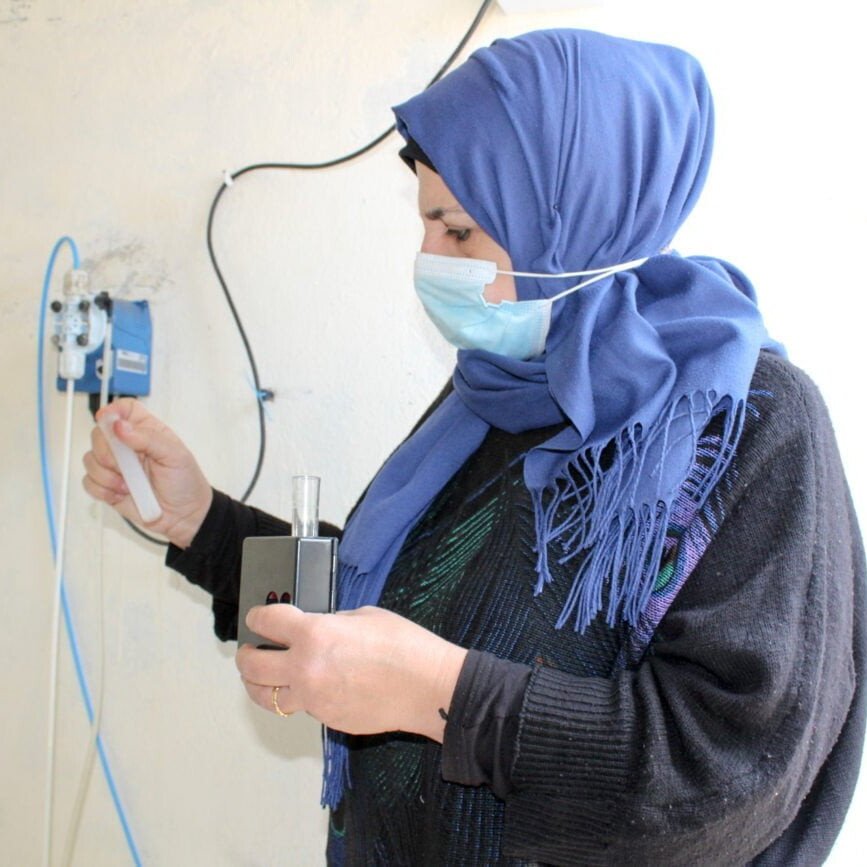
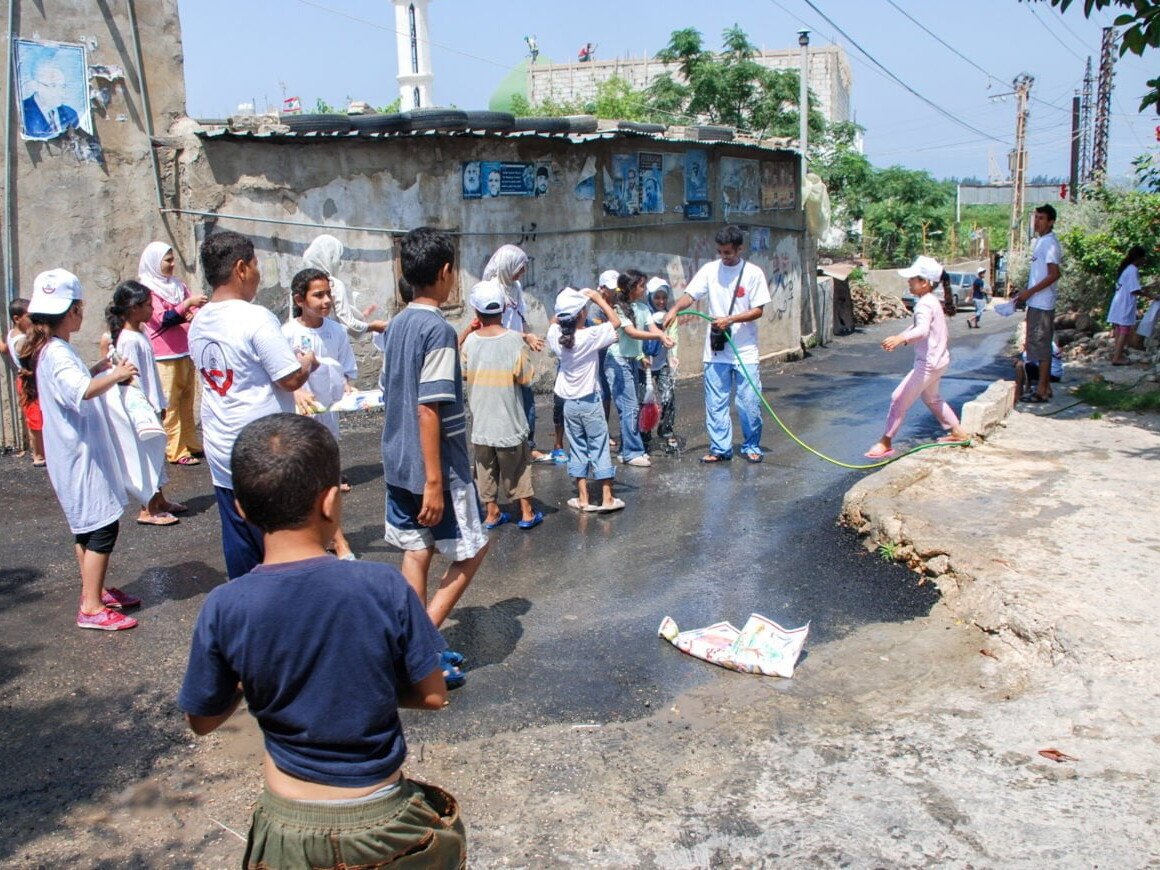
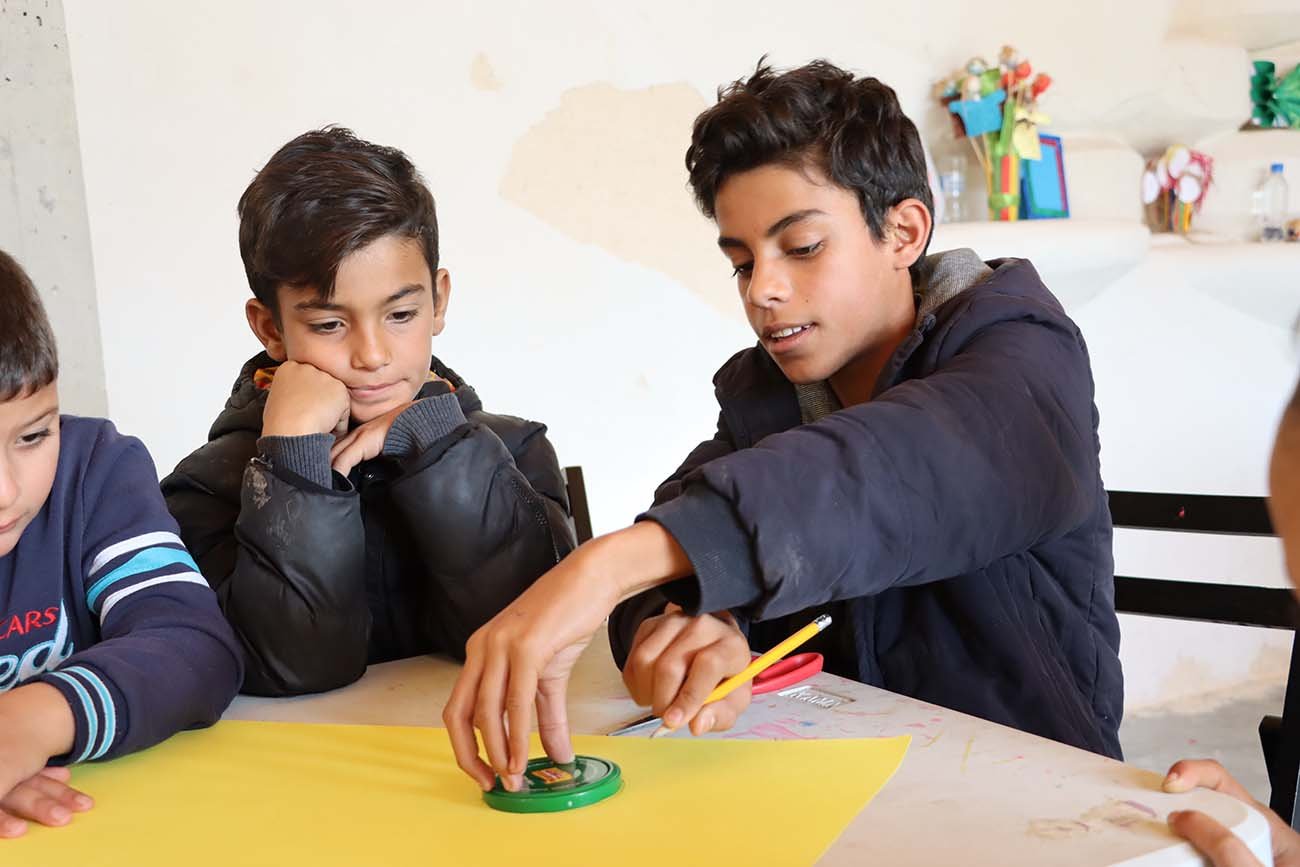
Our Environmental Health Program works directly in these forgotten neighborhoods, removing garbage, emptying cesspits, and educating families how to keep their environment clean.
Gender Justice
Gender Justice
Strategy One
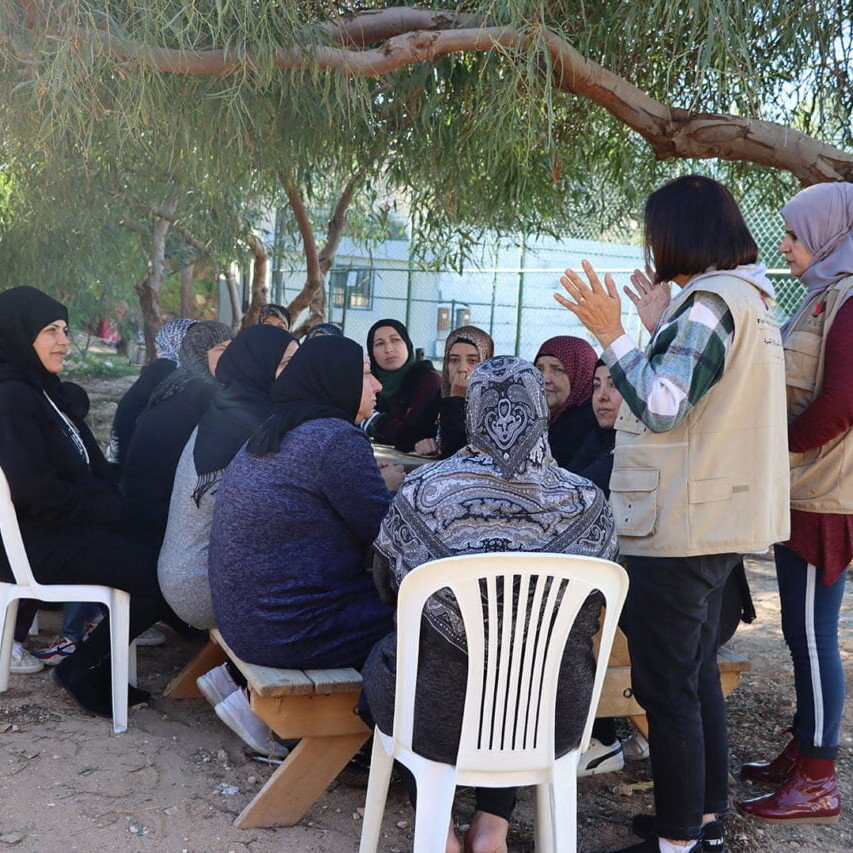
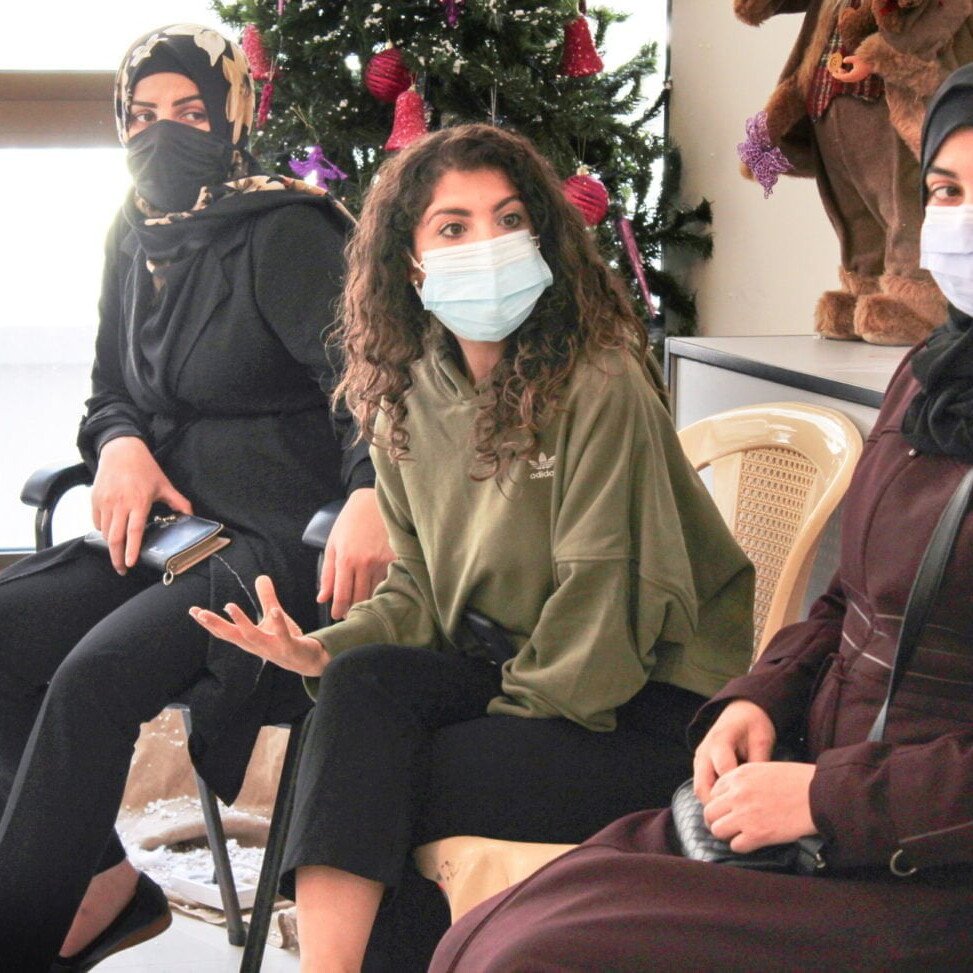
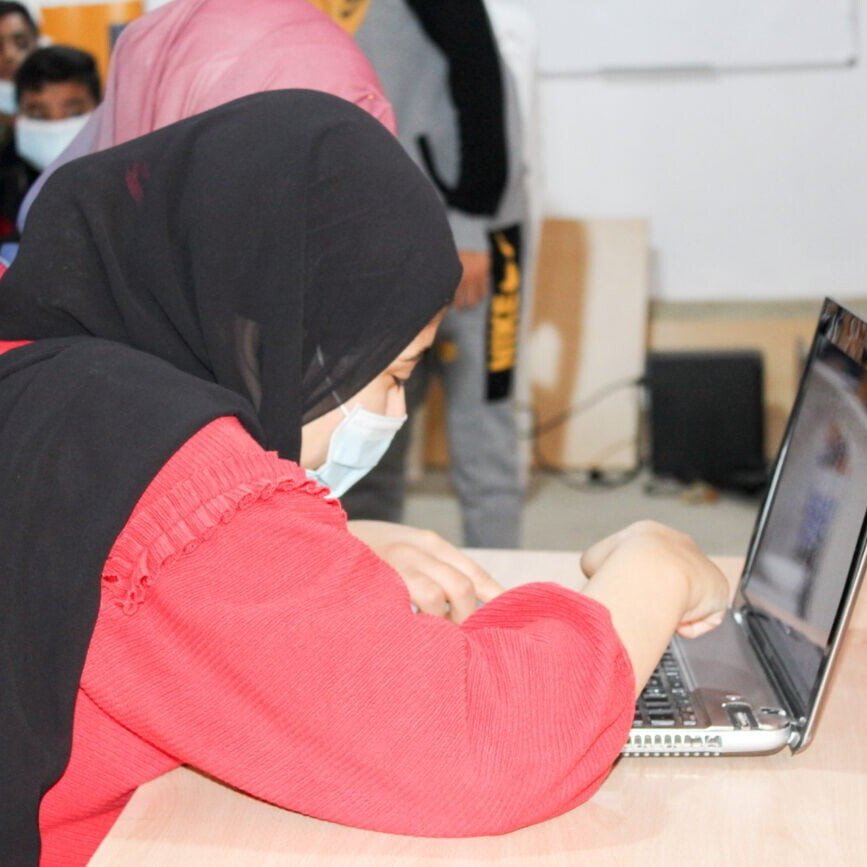
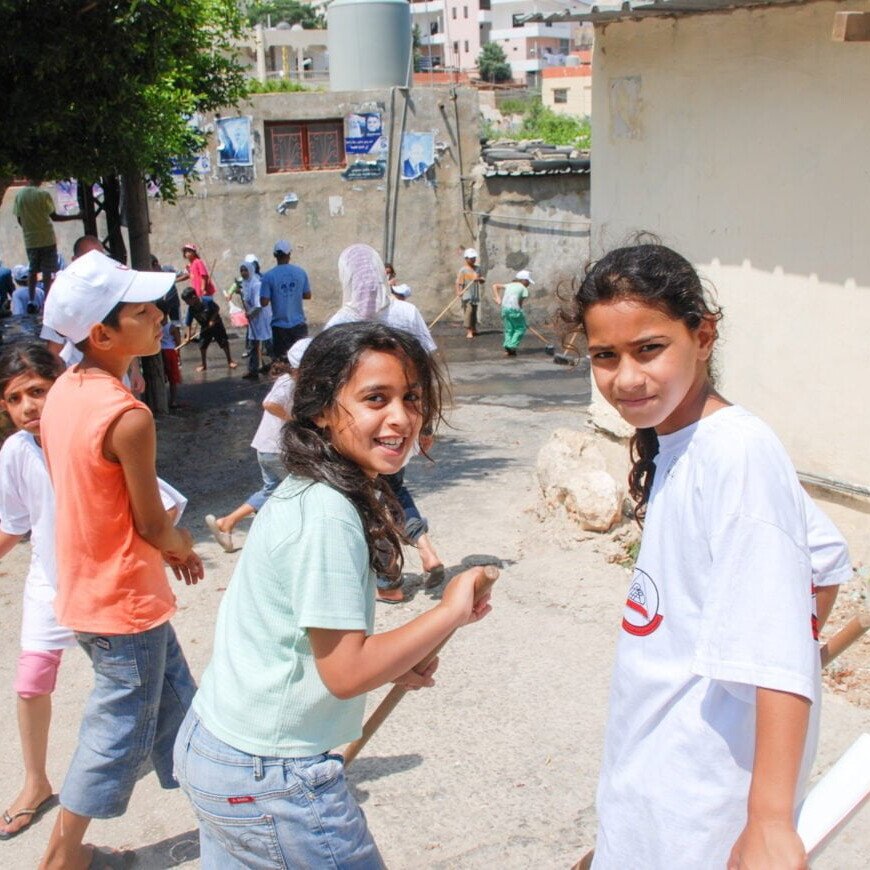
Gender Justice and Women and Youth Empowerment
Objective
To promote gender justice between men and women and empower Palestinian women, youth, and children to participate in and have access to, control over, and benefit from various political, social, cultural, and economic resources.
Intervention Locations
From the informal gatherings of South Lebanon and Beirut to emergency shelters in Saida, our work is anchored in the communities where vulnerability is highest and institutional support is most absent.
Who We Are Working with
We work with the people who are often pushed to the edges, in a country where they are already living on the edge. Our work focuses on:
01
Palestinian women and youth from Lebanon (PRL)
They have been here for generations, but are still barred from most jobs and basic rights.
02
Palestinian families who fled Syria (PRS)
They are now stuck in Lebanon, struggling to survive with even less support.
03
Syrian refugee women and youth
They left one war and are now facing another crisis.
04
Vulnerable Lebanese Women & Youth
Living in host communities affected by the same economic collapse and crisis, often in mixed informal settlements.
05
Single mothers, survivors of violence, young people out of school.
Because of their status, their gender, or the simple lack of opportunities.
Gender Justice
Program Numbers (2024)
529
Women
Are now active leaders in 22 Women’s Committees across 13 different gatherings.
22
Women’s Committees
Across 13 different gatherings.
1,849
Women
Visited a doctor for reproductive health, prenatal care, or screenings in our clinics.
361
People
Most of them survivors of violence, sat down for private, one-on-one psychological support.
186
Women
Earned concrete ways to manage daily stress and anxiety in a special workshop series.
109
Young People
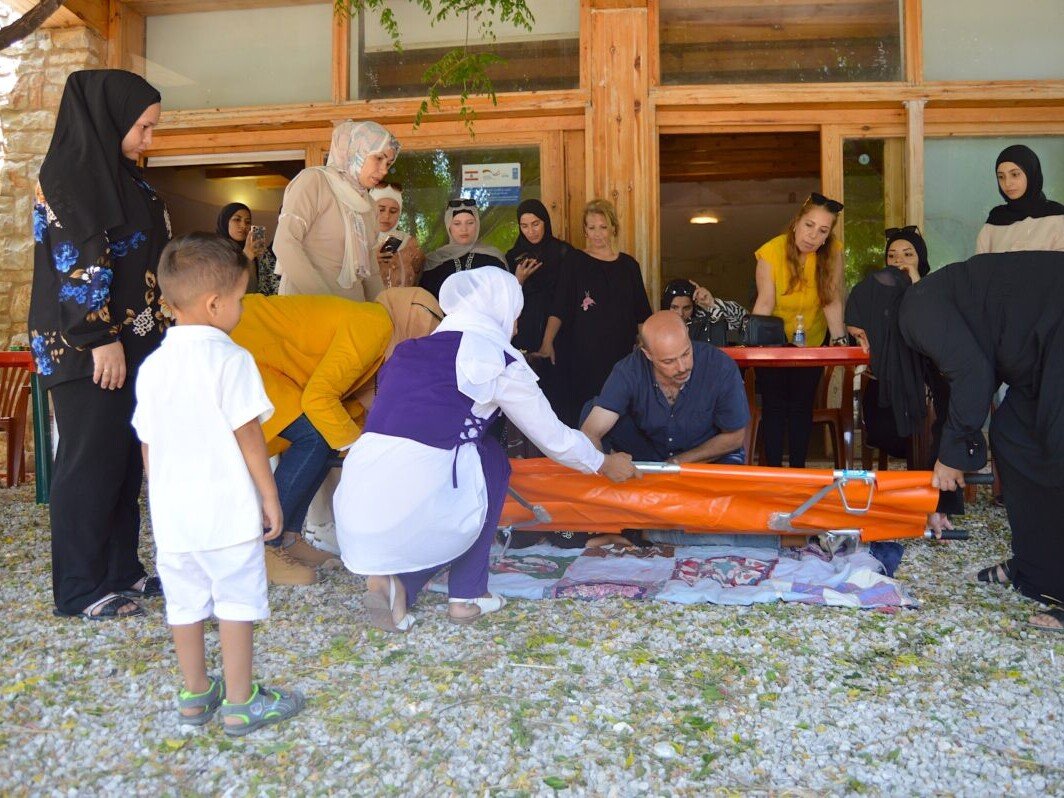
(99 young women and 10 young men) are now trained in first aid and can respond in an emergency.
16
Young Women
Are studying nursing right now on full scholarships we provided.
50
Women
Learned to turn old clothes into new products, a skill for their homes and a potential small business.
Child Protection
Activities
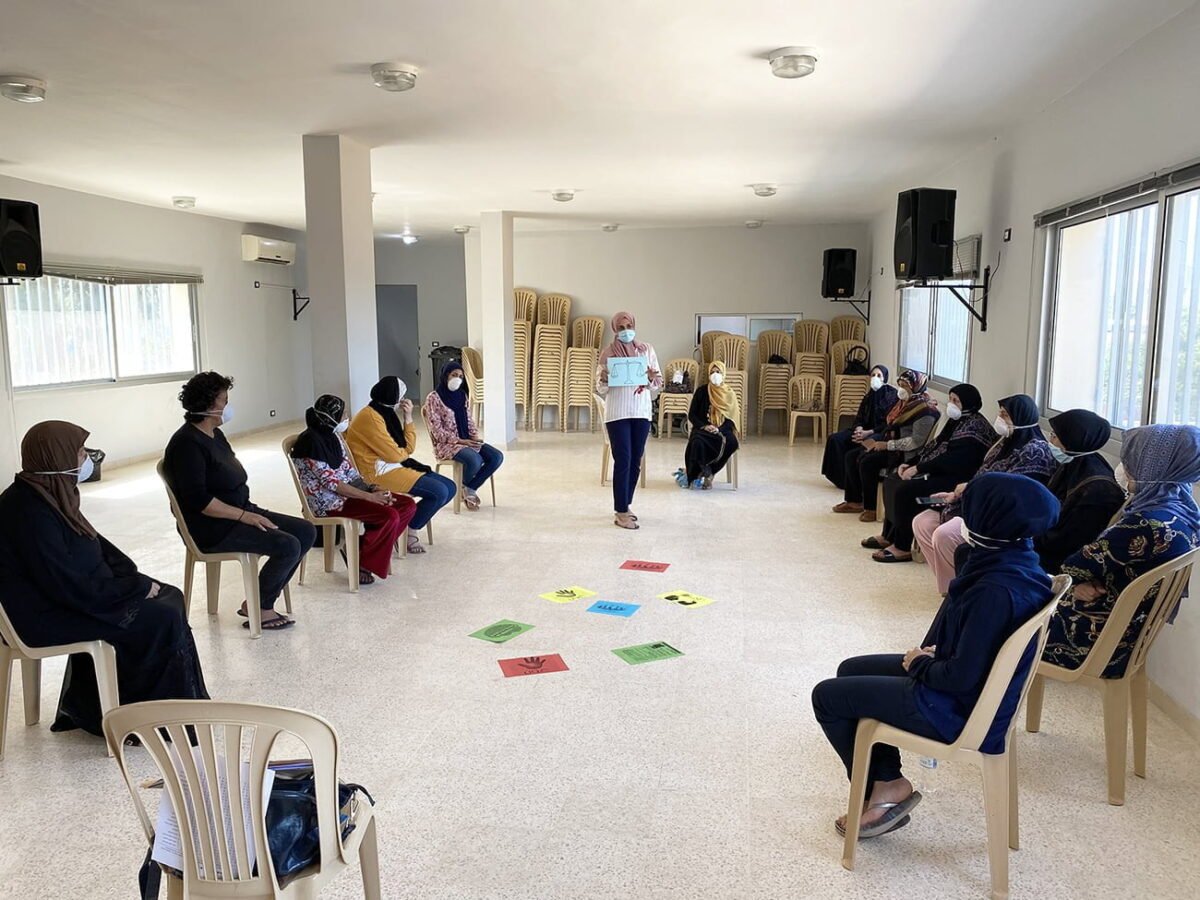
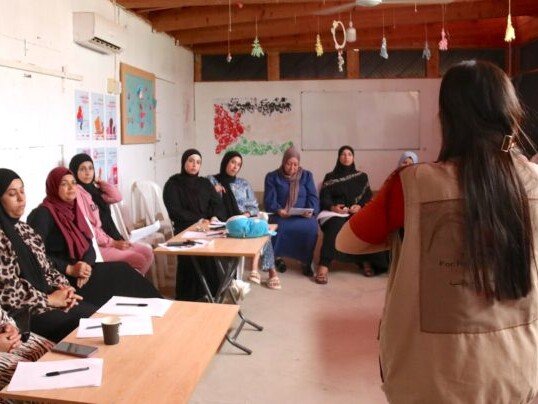
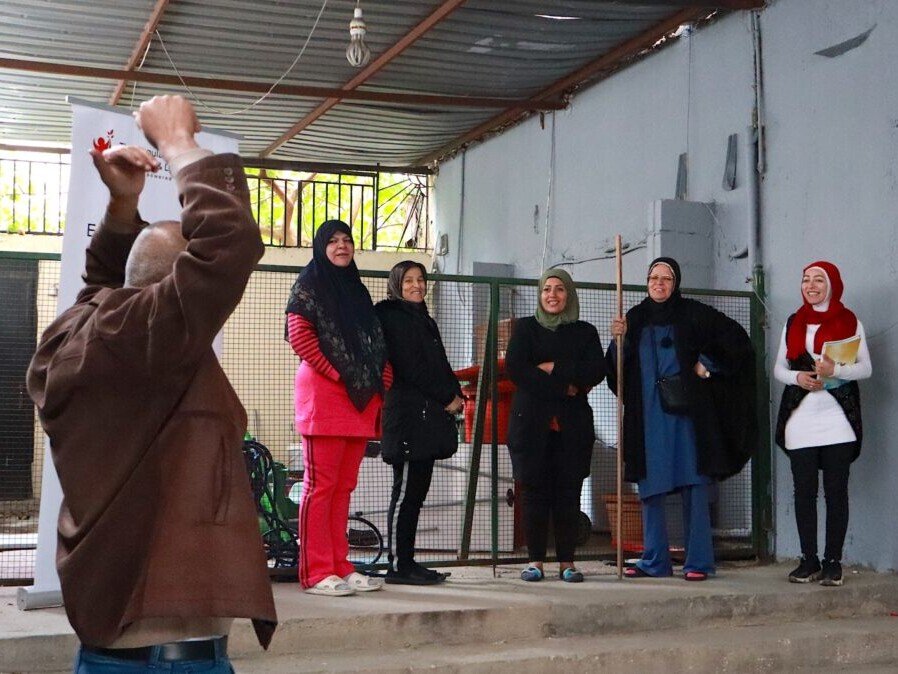
How we build power, health, and opportunity, side by side with women and youth.