Objective
To ensure that the targeted groups have the right to access environmental health services
Intervention Locations
From the informal gatherings of South Lebanon and Beirut to emergency shelters in Saida, our work is anchored in the communities where vulnerability is highest and institutional support is most absent.
Who We Are Working With
Our work targets families and communities living without basic infrastructure, where environmental risks are a daily threat to health.
01
Palestinian refugees in Lebanon (PRL)
They are living in unofficial gatherings and informal settlements, especially in Tyre, Saida, and Beirut, where PARD operates.
02
Palestinian refugees from Syria (PRS)
Those who have settled in these same overcrowded gatherings face the same lack of services.
03
Syrian refugees
Those residing in or near the gatherings, sharing the difficulties of poor sanitation and environmental neglect.
04
Vulnerable Lebanese Families
Living in host communities adjacent to these areas is also impacted by the spread of waste and contamination.
05
Women and youth in these communities
We actively train and employ to lead cleaning campaigns and upcycling initiatives.
Environmental Health Services
Program Numbers (2024)
232
Septic tanks & cesspits
Were emptied across southern gatherings.
311
Transport trips
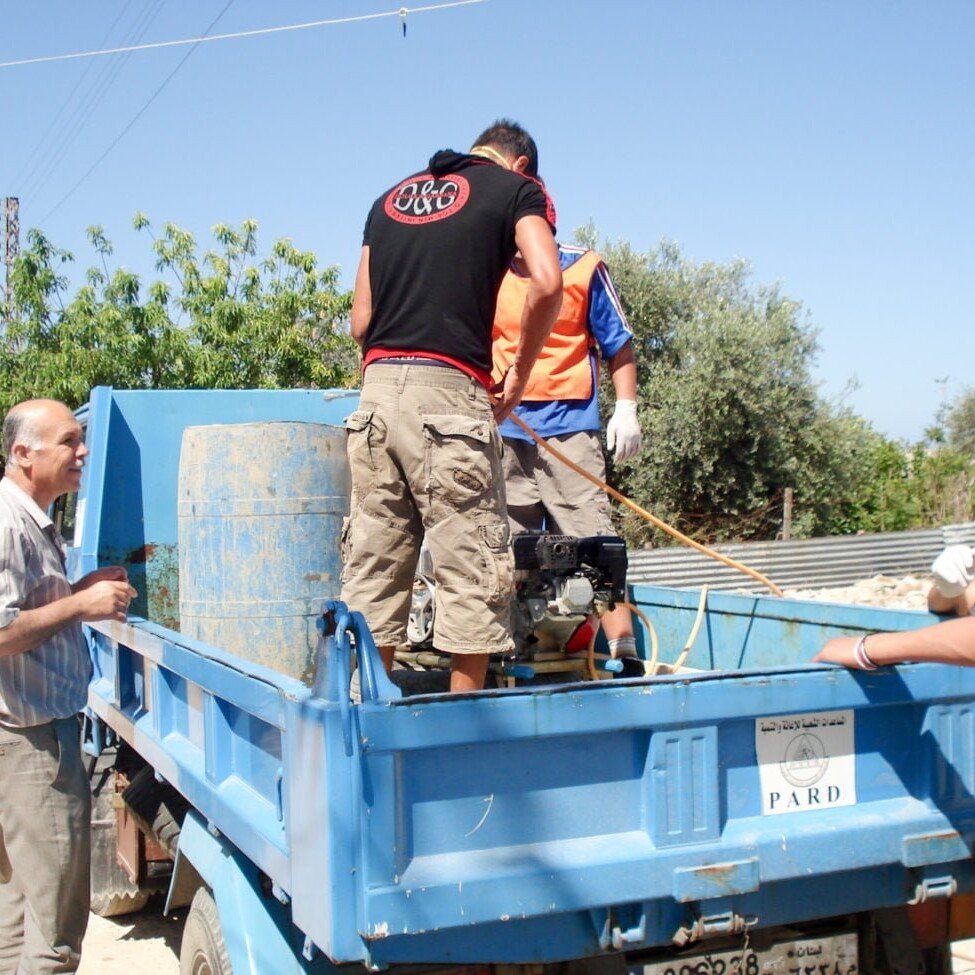
Were made with our dedicated suction truck to remove the waste.
20
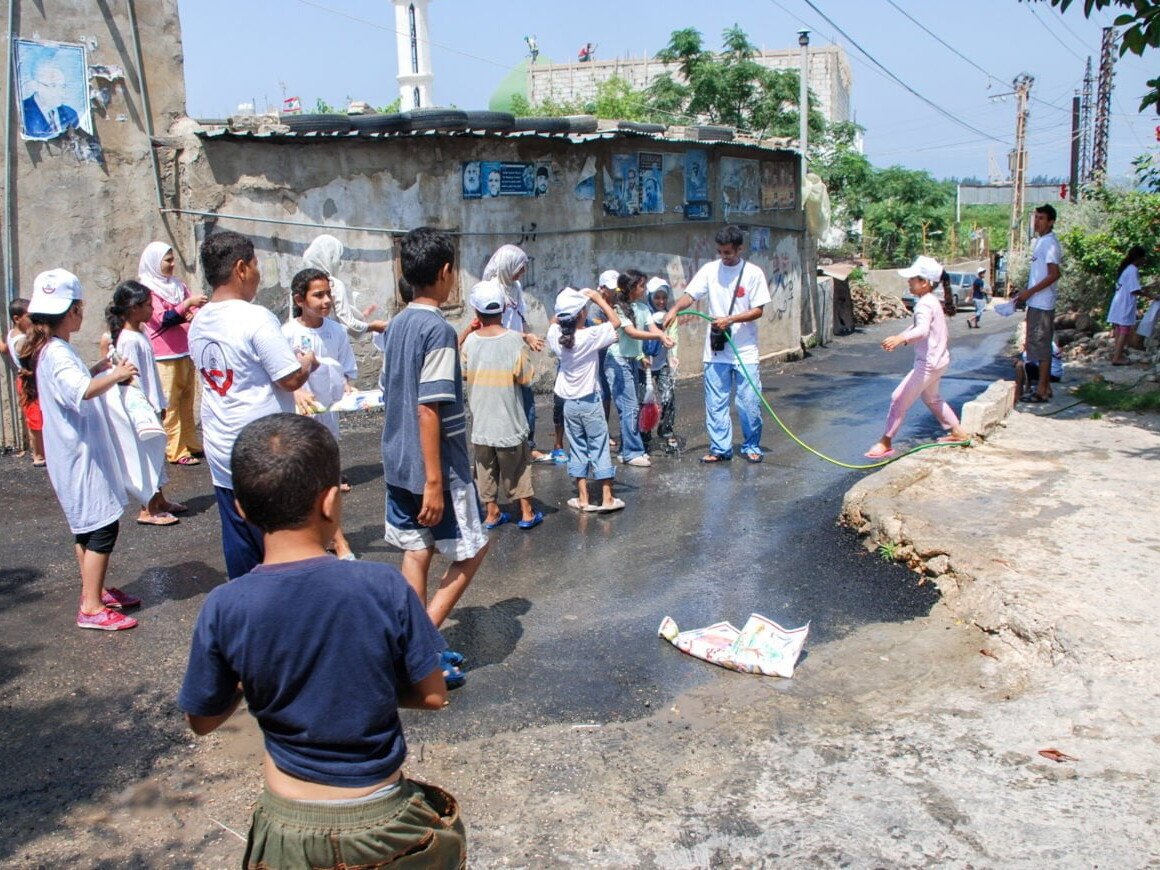
Cleaning campaigns
Were organized by the community in their own neighborhoods.
55
Women
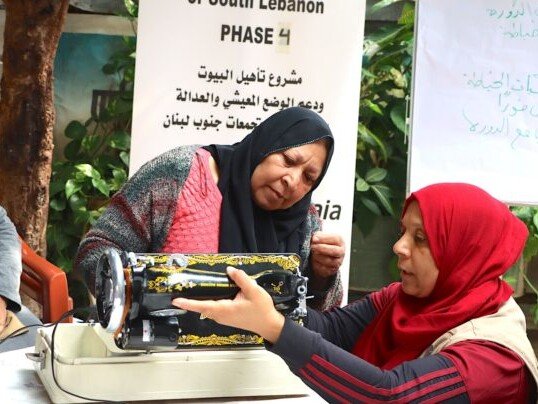
Trained in upcycling, turning old clothes into new products for their homes.
106
Women
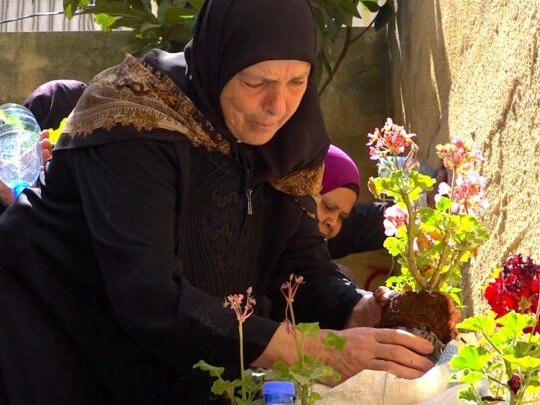
Attended our International Mother Earth Day event, learning about planting and waste reduction.
2
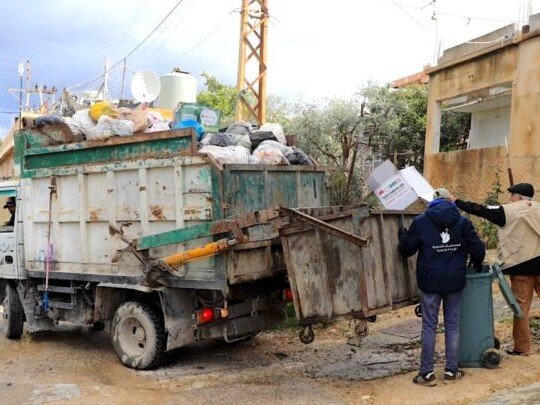
Garbage trucks
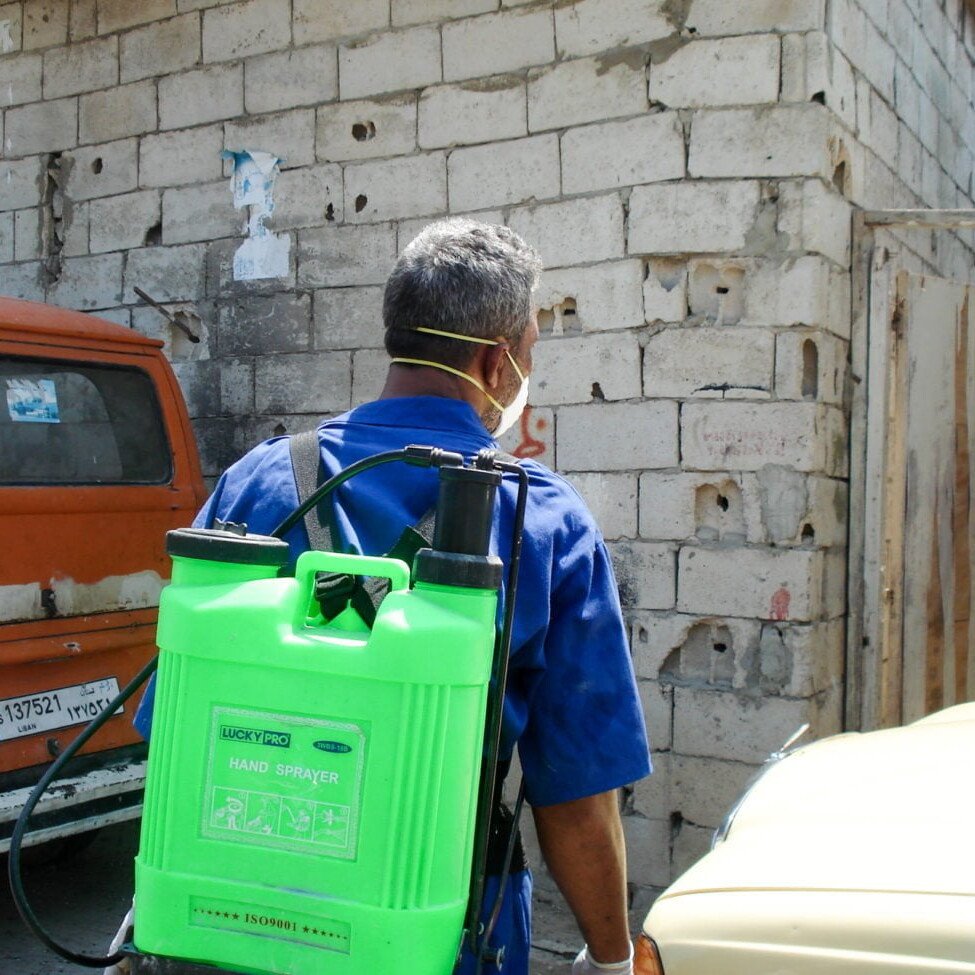
Operated to manage household solid waste in six southern gatherings.
Environmental Health Services
Activities
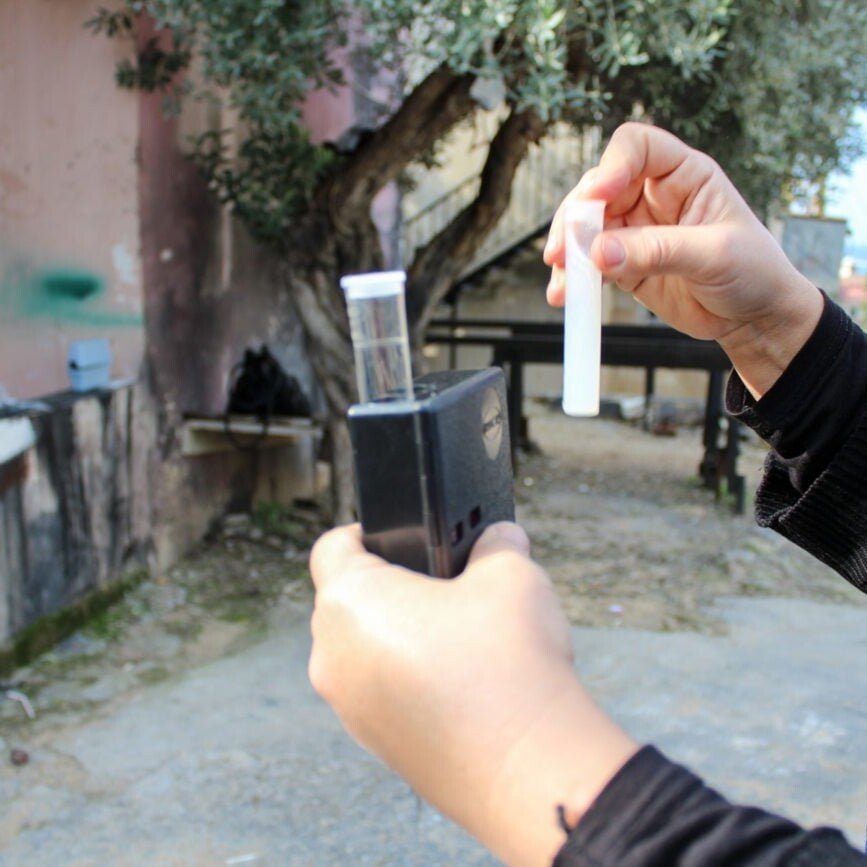
Our Environmental Health Program works directly in these forgotten neighborhoods, removing garbage, emptying cesspits, and educating families how to keep their environment clean.